Advantages of 3D Garment Design
Material Savings
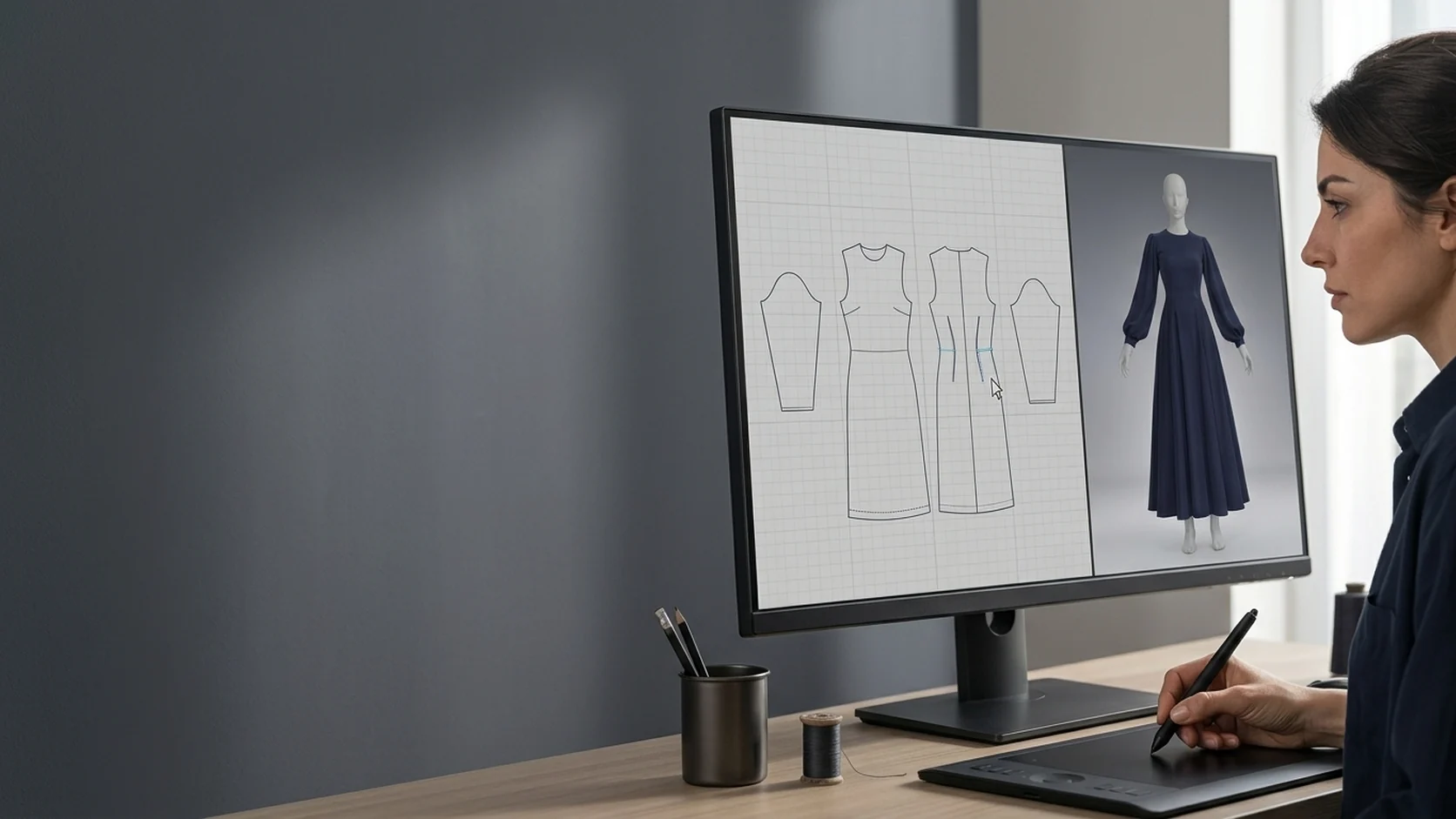
Evaluate design variations and drape angles on screen prior to physical fabric cutting.
Detailed Silhouette Control
Clarify fabric drape, proportions, and seam placement with 3D visualization.
Flexible Revision Options
Easily adapt length, neckline, or design details during the digital fitting review.
E-Commerce and B2B Presentation
Present collection pieces to buyers and commercial partners early using 360° digital views.
Where should you start
with 3D garment design?
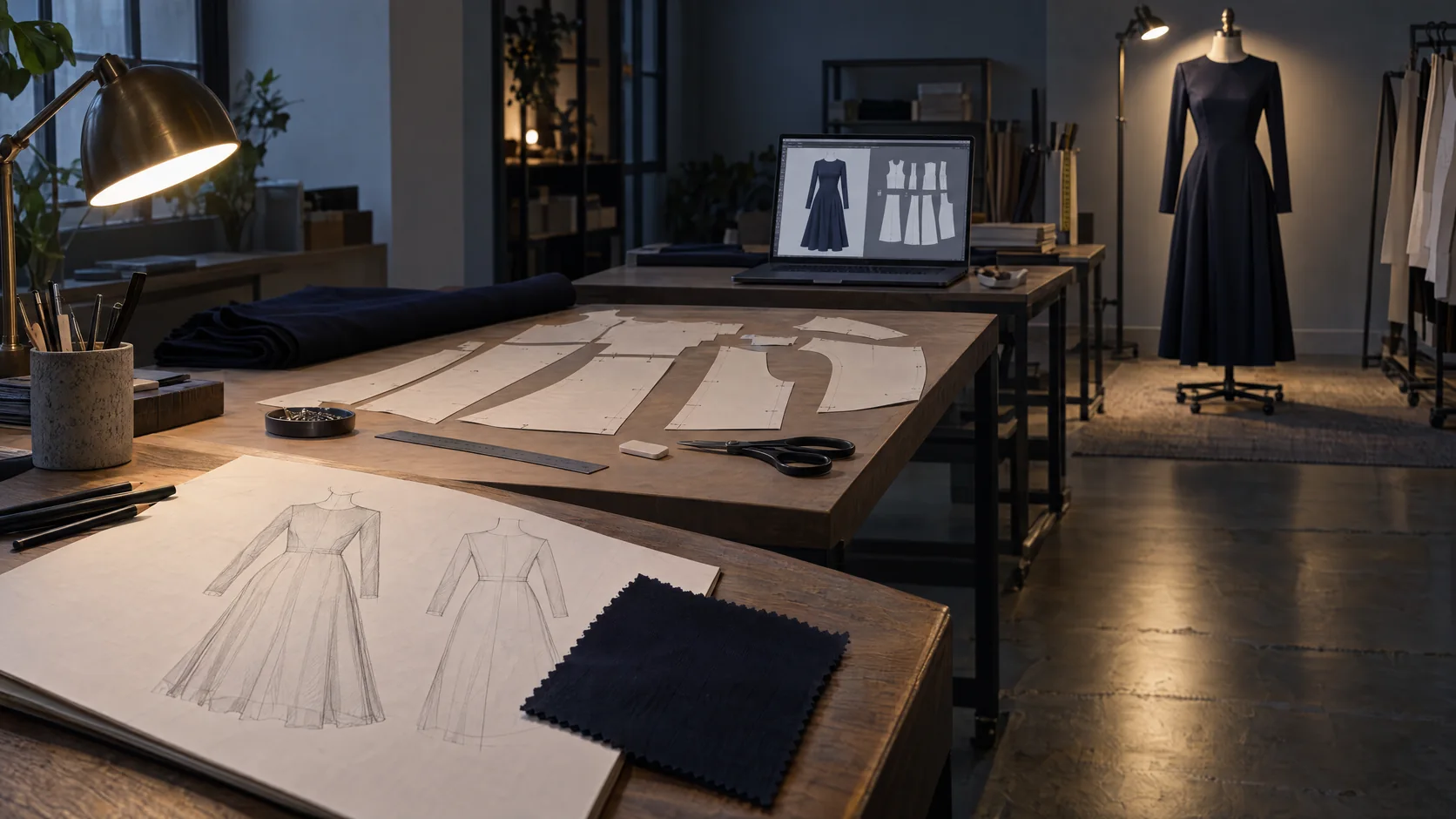
You can begin with design sketches, reference images, or existing pattern files. Glorvia's studio team translates your design into a 3D environment, allowing you to review silhouette proportions, seam placements, and fabric drape digitally.
Glorvia design and pattern studio is located at Emek Mah. Ali Nadi Ünler Blv. No: 120/D, 27060 Şehitkamil / Gaziantep. Initial project assessments and digital model reviews can be conducted remotely via WhatsApp. In-person meetings at our atelier can also be scheduled upon request.
3D simulation helps you assess fabric elasticity, drape, and pattern balance on screen before cutting. True fabric hand feel and final fit are confirmed with a physical sample. Sample sewing and tech pack deliverables are scheduled in writing based on project scope after file review.
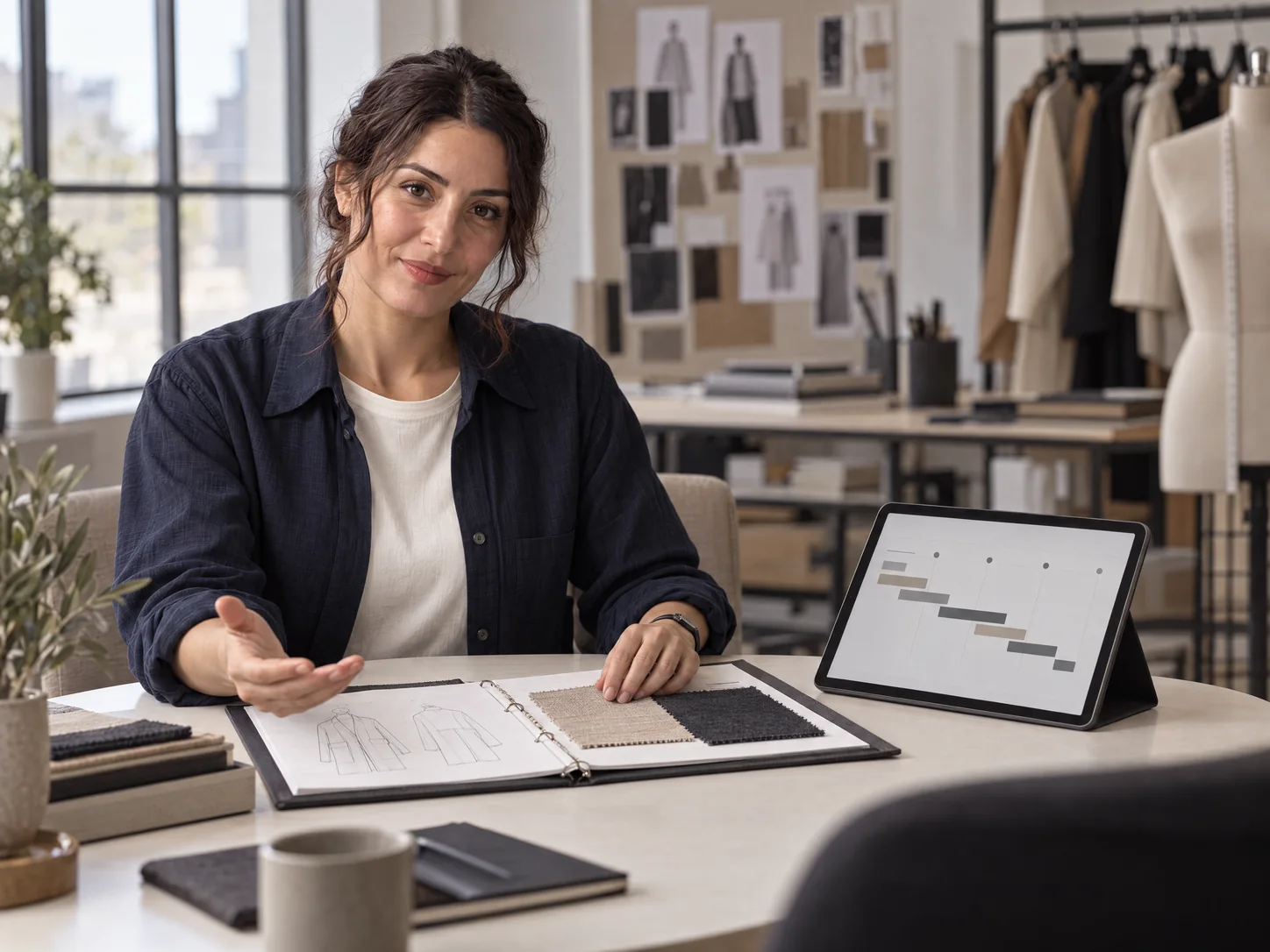
3D development modules tailored to your needs
From sketch to digital sample, pattern verification to technical visualization, select the stage required for your project.
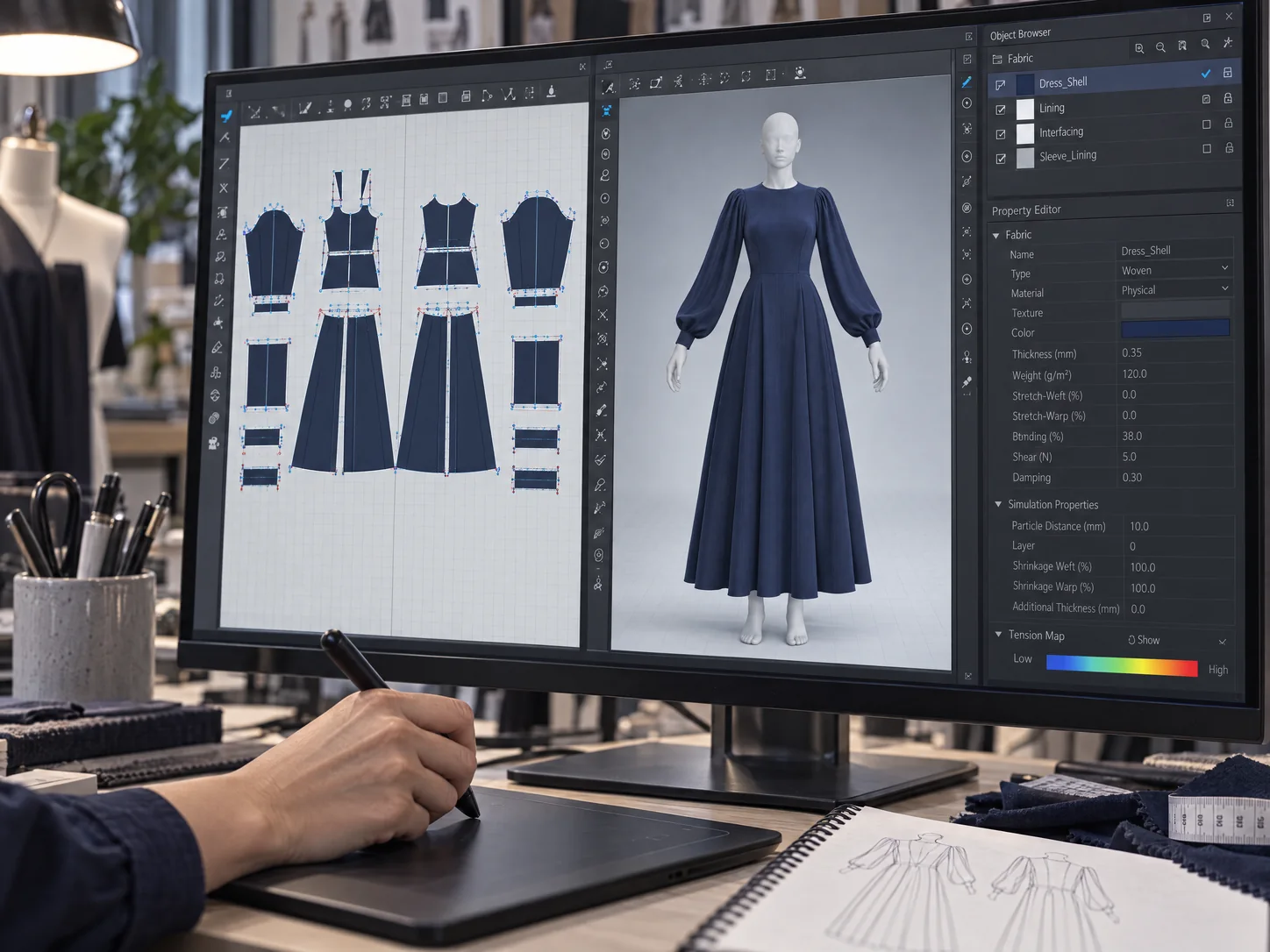
3D Sample
We translate your sketches or technical drawings into a 3D garment model. Review fabric drape, movement, and silhouette balance on screen before the first physical cut.
What to check in this module?
Evaluate seam placements and fabric drape in motion. Compare color and texture options on screen.
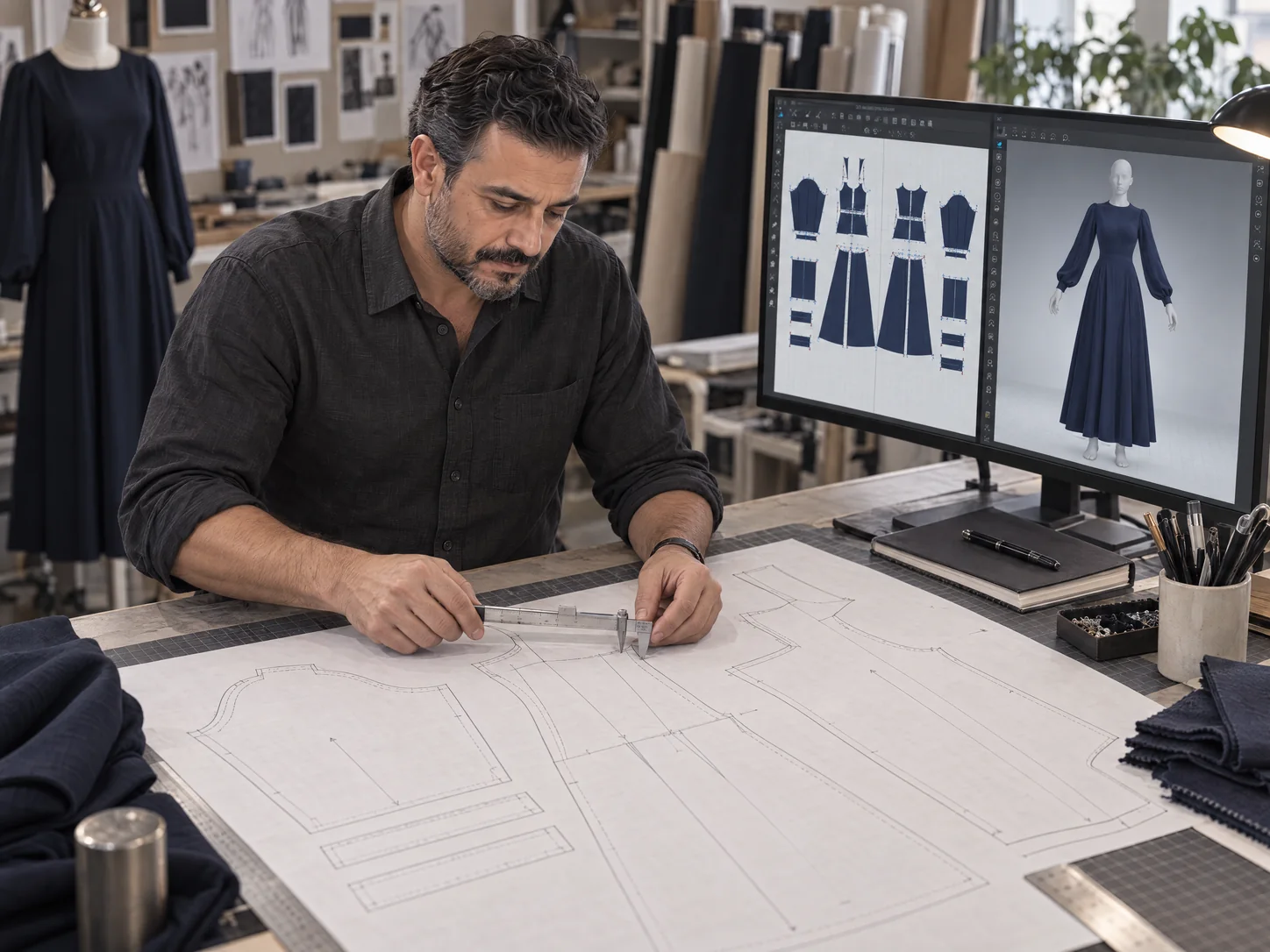
Pattern Assembly
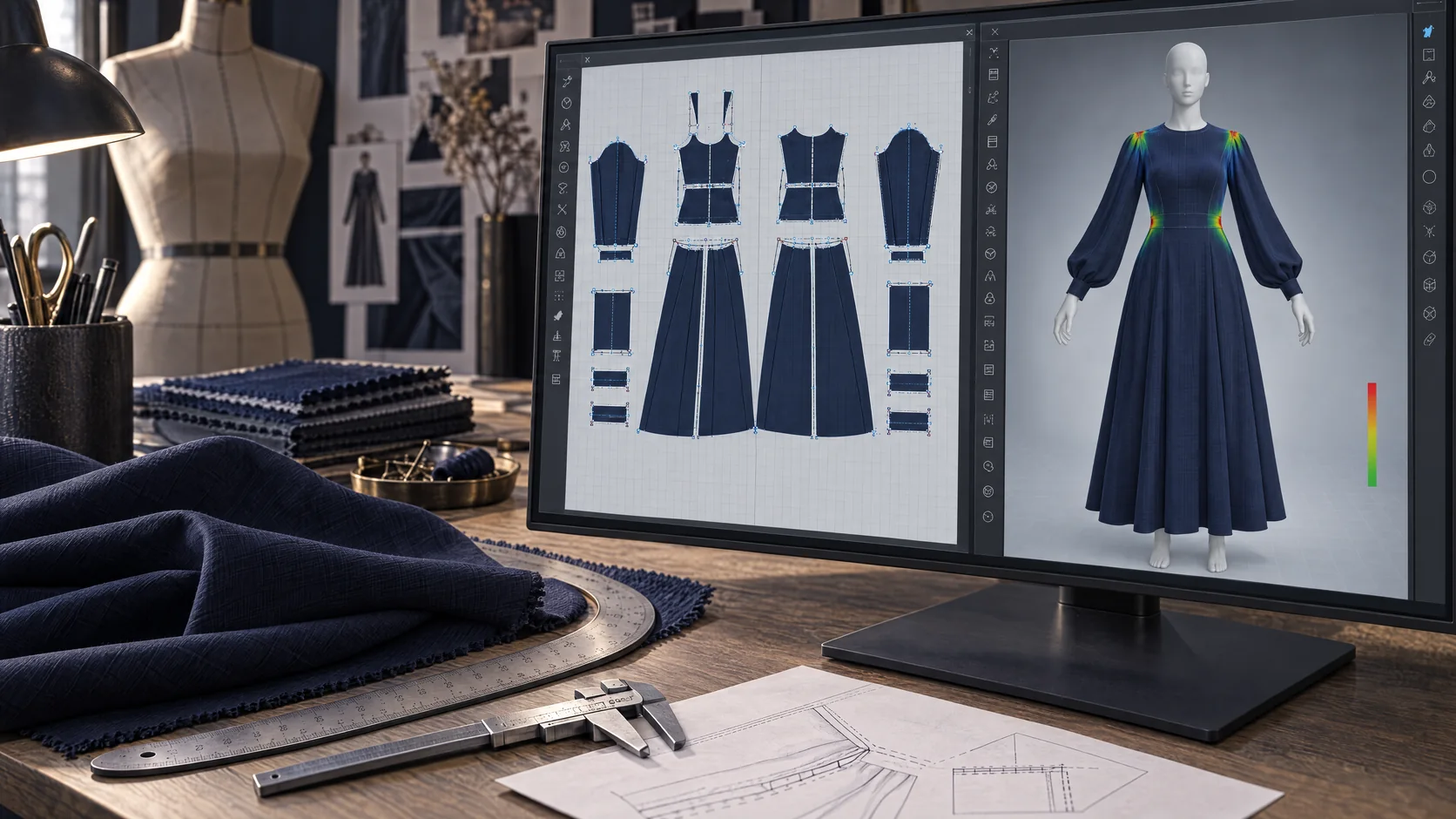
Your compatible DXF/RUL patterns are dressed onto a 3D avatar. Seam balance and strain areas are visually reviewed across agreed size runs on screen. Final garment fit is confirmed with a physical sample.
What to check in this module?
Inspect tension maps across armholes, neckline, and hip lines on screen to identify necessary pattern adjustments.
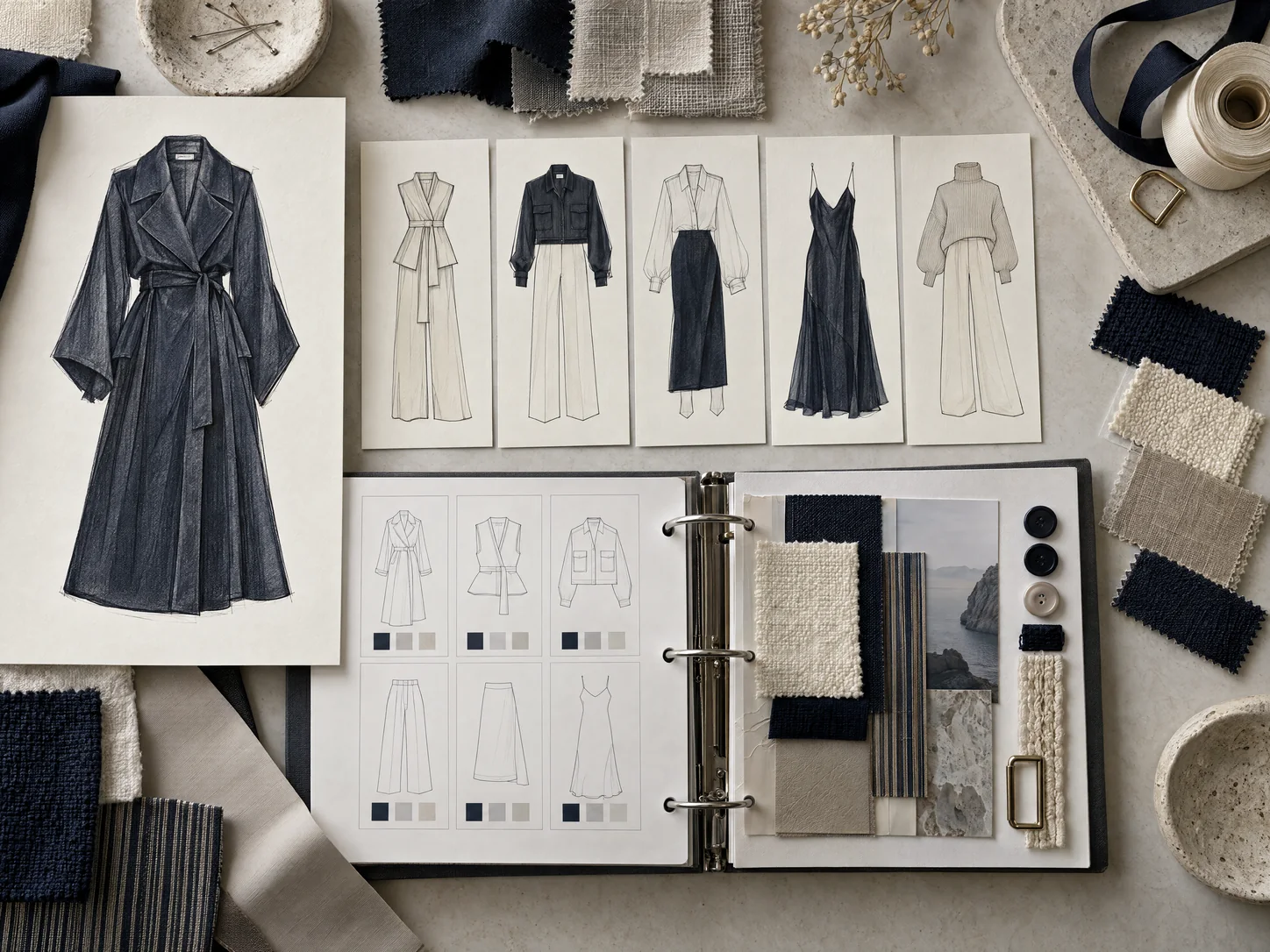
Visualization
Digital visuals can be prepared at agreed resolutions for collection presentations and e-commerce. A tech pack detailing seam construction and bill of materials is prepared according to the agreed project scope.
What to check in this module?
Check visual quality across front, back, and detail angles, and ensure the tech pack aligns with production notes.
3D digital sampling or traditional physical sampling?
Compare both approaches by turnaround time, sample costs, and fitting needs to choose the right fit for your project.
| Decision factor | 3D digital sample | Traditional physical sample |
|---|---|---|
| Time & Turnaround | Initial virtual assembly and review timelines are defined in a written proposal following file and scope assessment. | Physical sampling timelines depend on fabric sourcing, cutting, sewing, and atelier capacity. |
| Cost & Waste | Digital revisions help reduce physical fabric consumption and courier requirements. Scope and revision terms are defined in the written proposal. | Each revision cycle can incur new fabric, trims, and sewing costs. |
| Visual Variety | Agreed color, print, and texture variants can be prepared for digital review within the project scope. | Only the physical appearance of the sewn colorway is produced. |
| Ease of Revision | Neckline depth, sleeve length, or hem drape can be updated quickly on screen for review. | May involve unpicking seams, remaking patterns, and recutting. |
What determines the cost of 3D garment design services?
Model count, pattern complexity, file readiness, and required visual or tech pack deliverables determine the quote. Share your project details to receive a written estimate.
Request a quote ↗Silhouette and drape review in 3D,
fabric hand feel and fit in physical sampling
During 3D modeling, we inspect fabric drape and pattern proportions on screen. Real fabric hand feel, skin contact, and seam strength are then confirmed with a physical sample produced in the atelier.
Fabric properties
Available fabric weight, stretch, and drape data are applied to the 3D model to evaluate how silhouette and drape behavior appear on screen.
Strain map review
Pressure zones across underarms, bust, and waistline are reviewed using tension maps. This helps identify potential puckering or tightness early. Final pattern fit is confirmed through physical fitting.
Technical details and pattern compatibility
Seam allowances, tech pack notes, and compatible pattern outputs are prepared according to the proposal scope and file compatibility.
How does the 3D garment development process work?
A 4-step workflow from sketch to digital approval and technical handover.
-
01
Share your design or sketch
Send us your technical drawings, photos, or reference sketches. We evaluate model silhouette and intended fabric together.
-
02
Define fabric and size specifications
Share estimated fabric weight and hand feel properties alongside your brand’s base size chart.
-
03
3D Modeling and digital review
The garment is dressed onto a digital avatar to evaluate fabric drape. Feedback is gathered based on agreed angles and visuals within the scope.
-
04
Approval and handover
Once revisions are completed, agreed visual outputs, sewing notes, and compatible pattern files are delivered.
Physical sampling and production: Initial sample sewing or production runs for completed 3D models can be coordinated directly with our Gaziantep atelier.
Discuss sampling and production ↗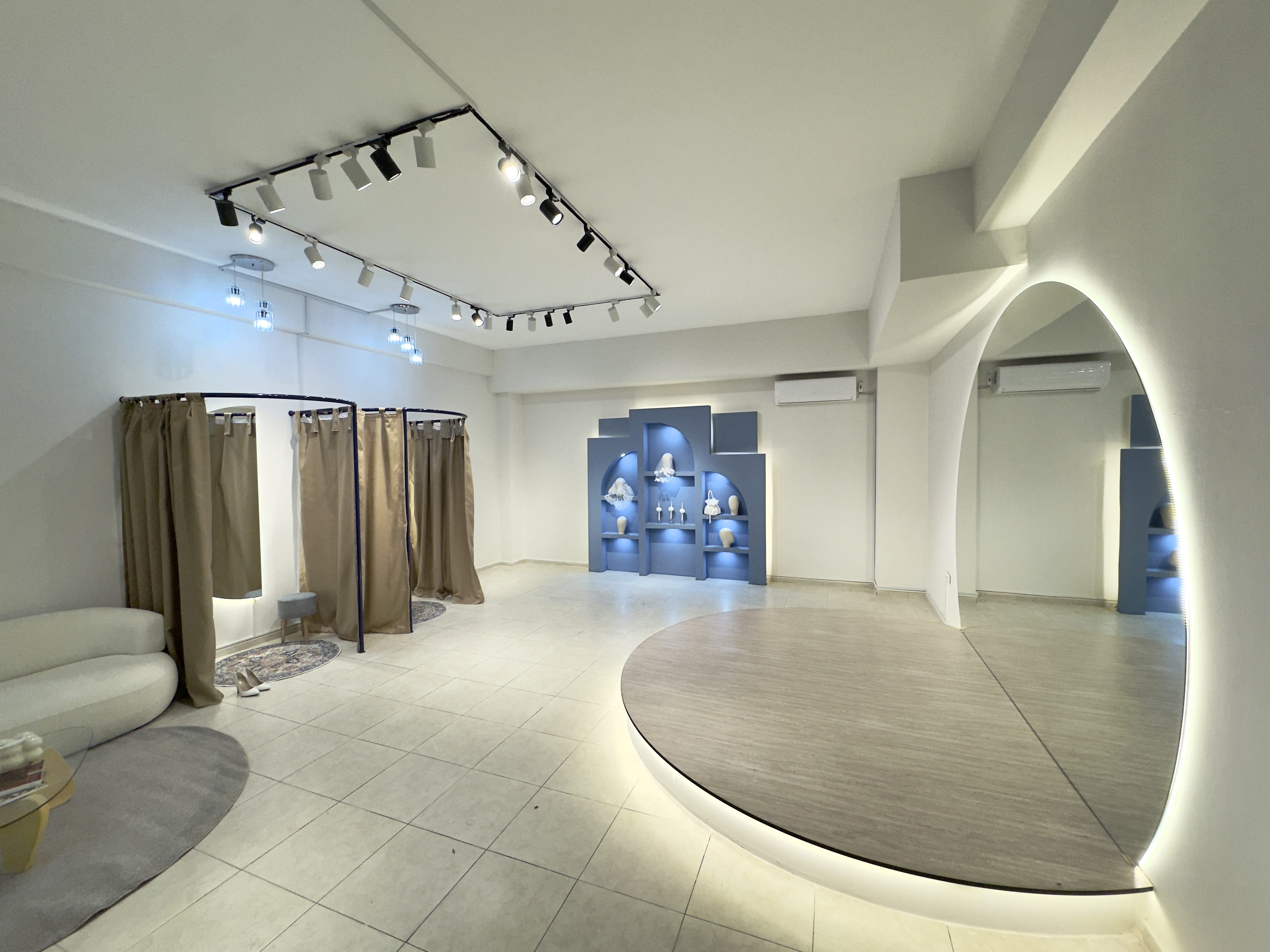
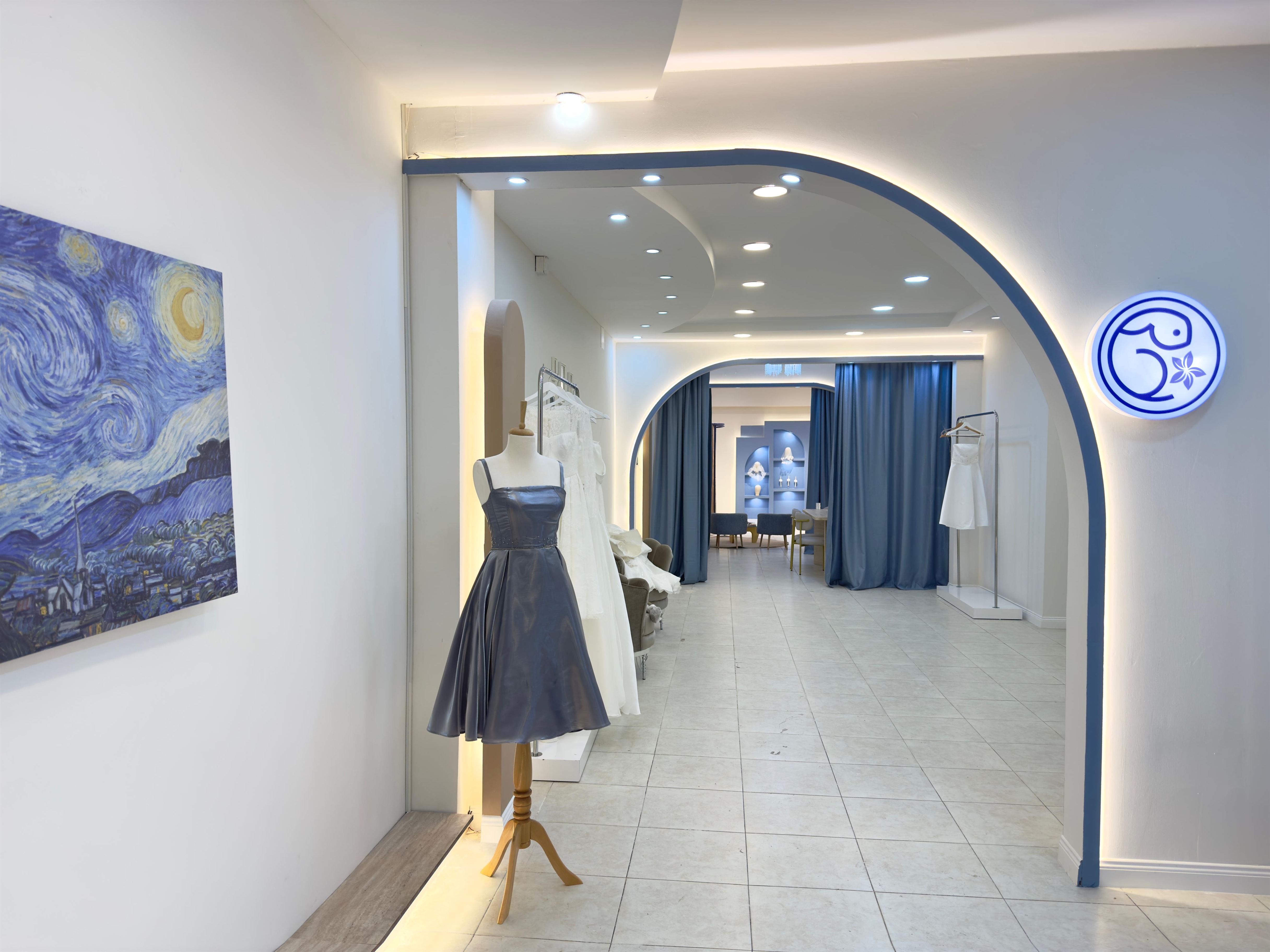
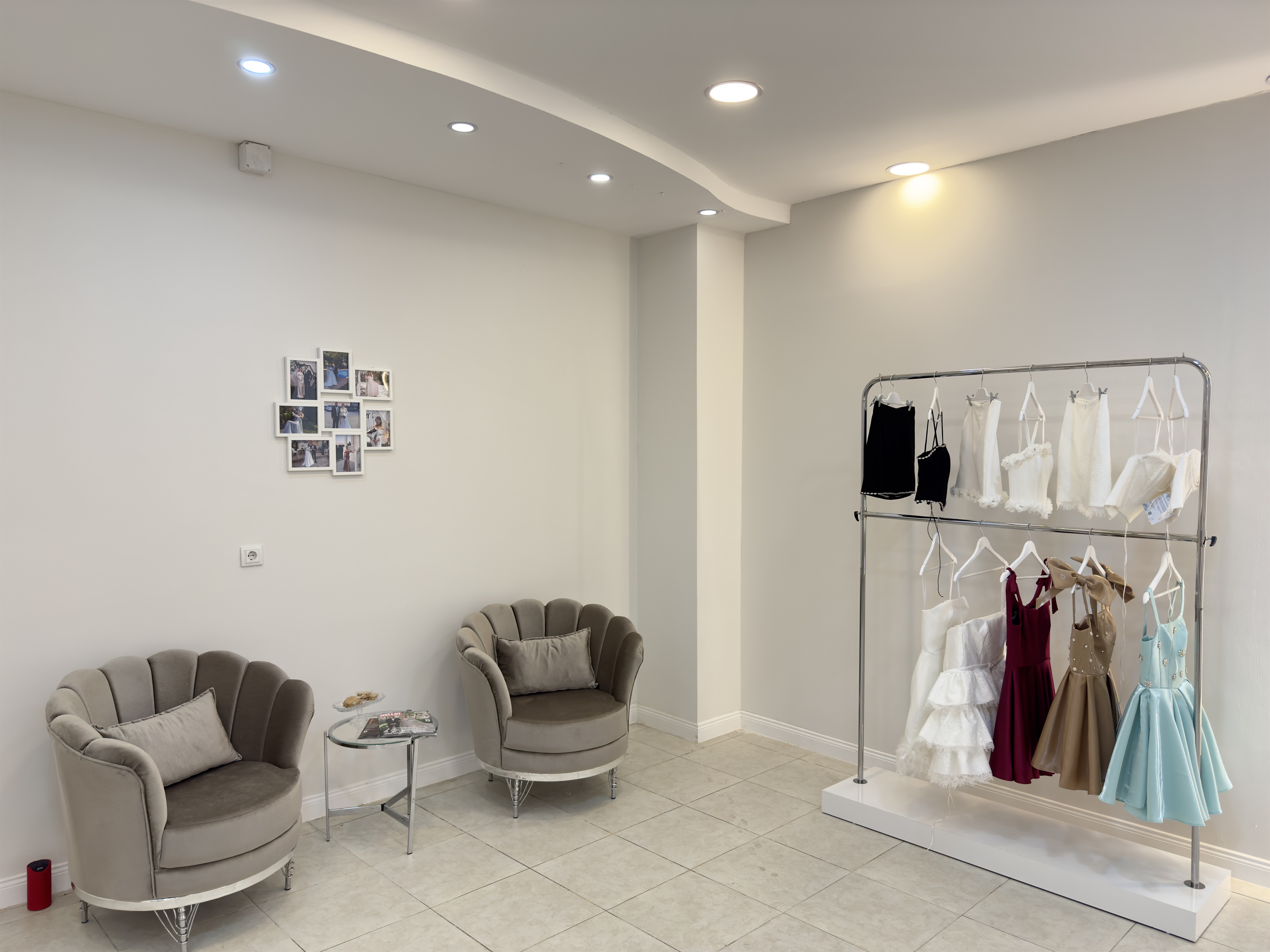
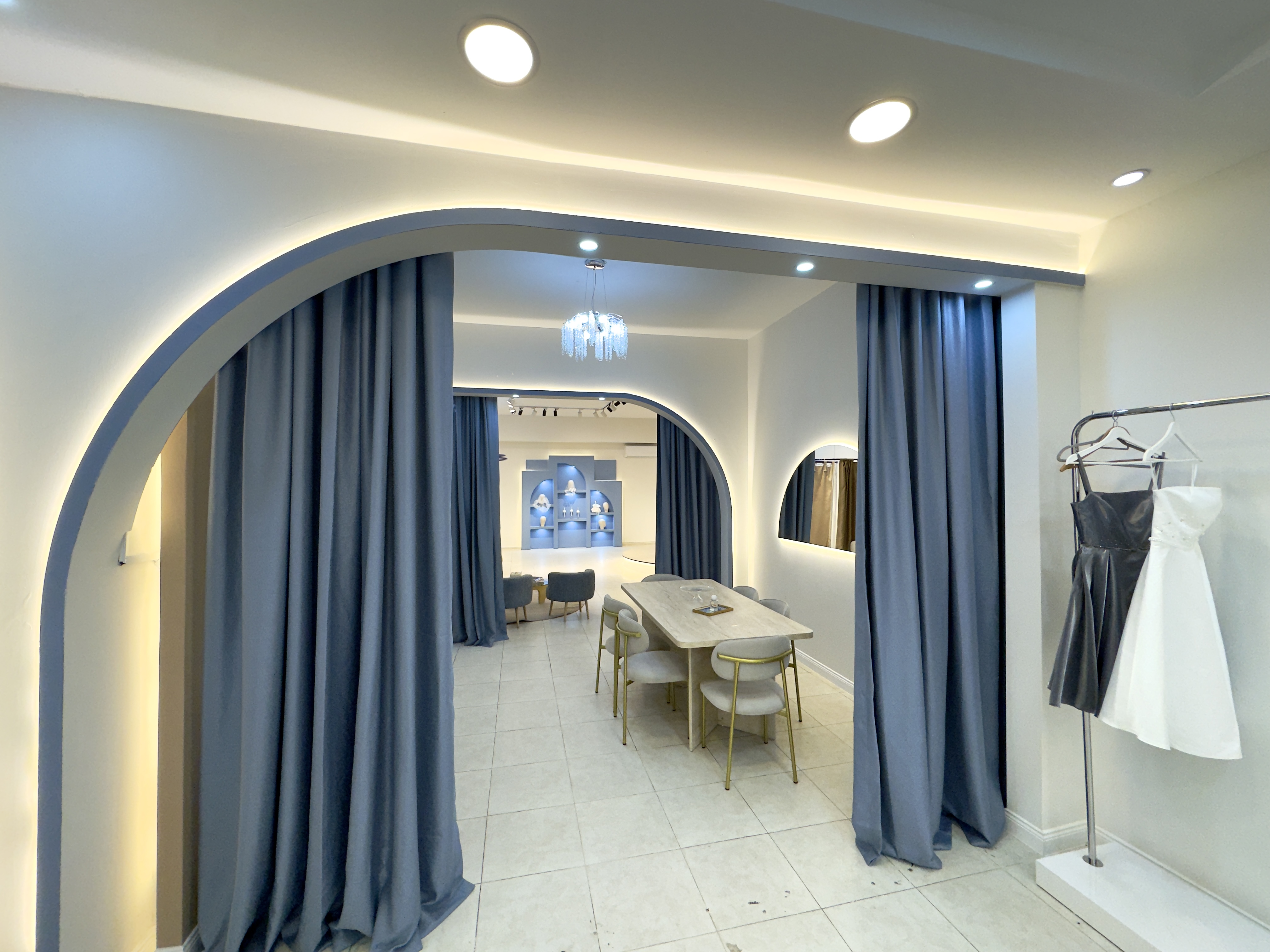
Start your 3D design project on WhatsApp or at our studio
Glorvia Design and Development Studio · Emek Mahallesi, Ali Nadi Ünler Bulvarı No: 120/D, 27060 Şehitkamil / Gaziantep.
Before kicking off your project, you can share sketches, target fabric types, and delivery schedules via WhatsApp. You can also schedule an atelier appointment to review sampling or batch manufacturing capacity.
Project kickoff checklist
- Front and back technical flats or sketches
- Target fabric weight and composition
- Base size chart
- Requested deliverable formats (Render / Video / DXF)
- Physical sample sewing request and target deadline
WhatsApp: +90 539 667 77 56 · support@glorvia.com
Frequently asked questions about 3D design.
A digital sample helps examine silhouette proportions and fabric drape early in the design cycle. Real fabric hand feel, seam durability, and final fit are verified with a physical sample.
Having technical drawings or compatible DXF patterns speeds up the process. However, we can also define project scope and begin from clear sketches, measurement references, or inspiration imagery.
You can provide feedback on the 3D model regarding necklines, sleeve lengths, or drape details. Agreed revisions are completed and presented for approval according to the planned review schedule.
Visual deliverables, review angles, and compatible technical documents agreed upon in the initial written proposal are handed over upon completion.
Related B2B and Production Guides
Let’s start your
3D garment project together.
Send us your drawings or project concept. We will outline a digital sampling and pattern workflow suited to your requirements.
Consult via WhatsApp ↗