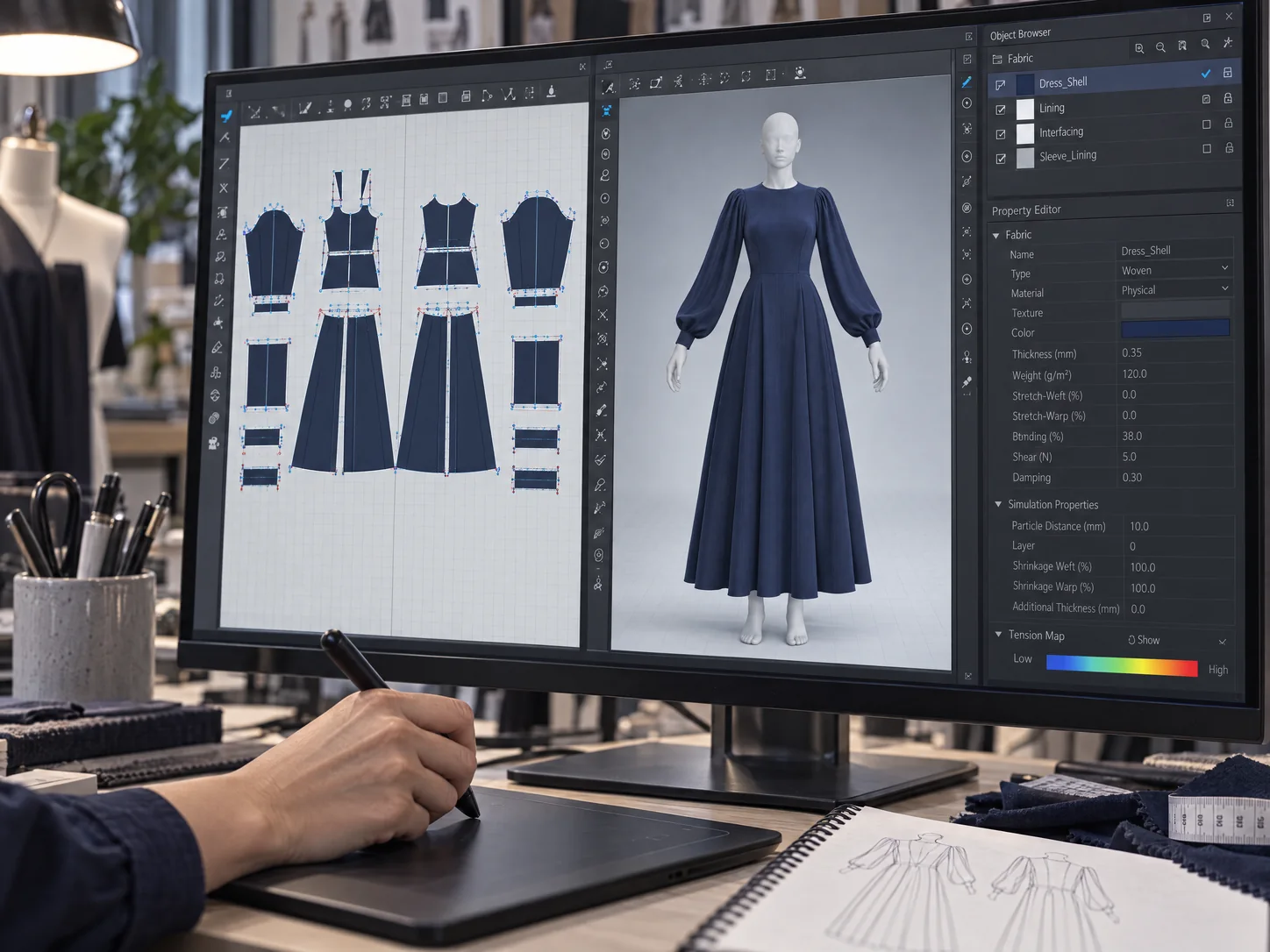
Try the kind of screen your shoppers would use
Glorvia is a fashion atelier in Gaziantep, Türkiye, that builds 3D clothing configurators for brands. We make every swappable part (collars, sleeves, cuffs, pockets, lengths) from real sewing patterns in CLO 3D, so the pieces fit together like the garment you sell. Your customers change parts and fabrics right in the browser, on phone or desktop.
The same system runs our own store
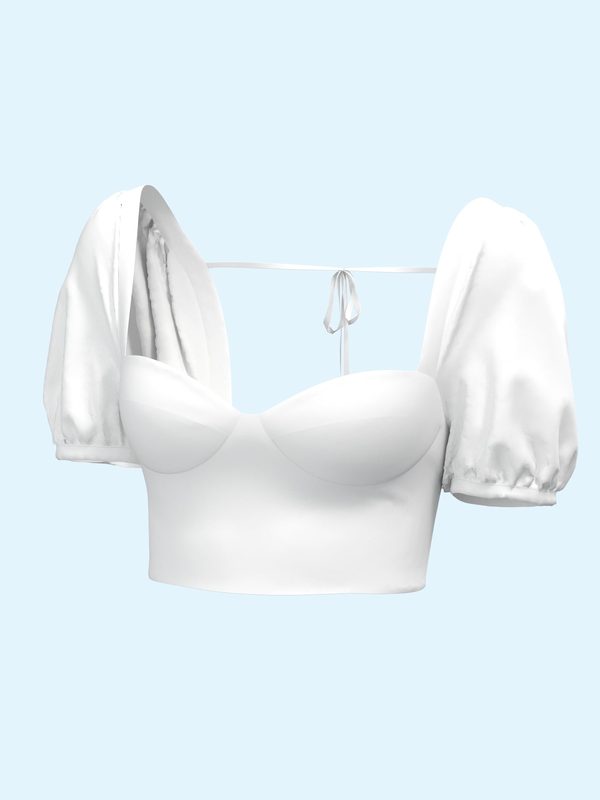
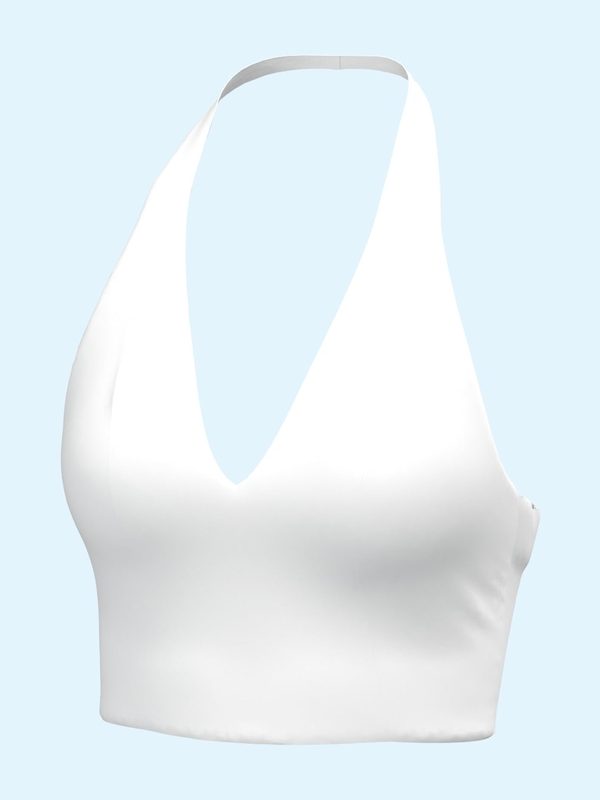
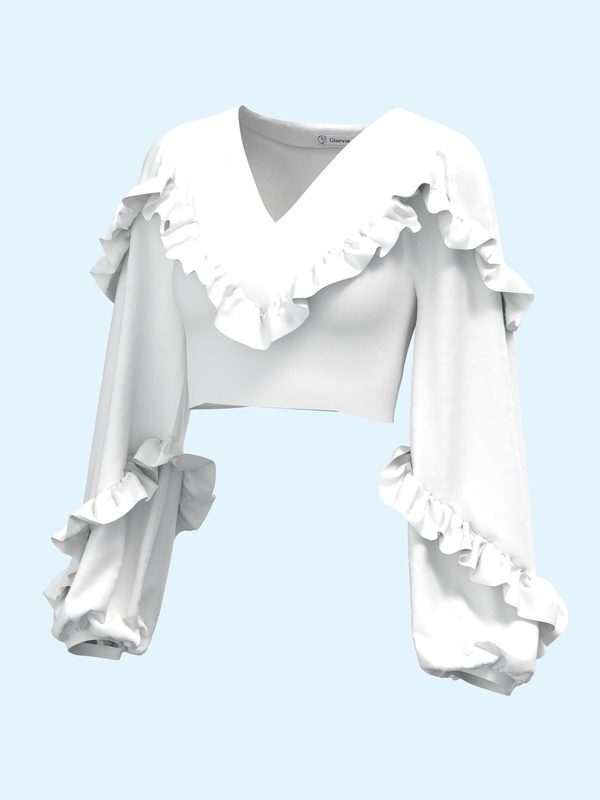
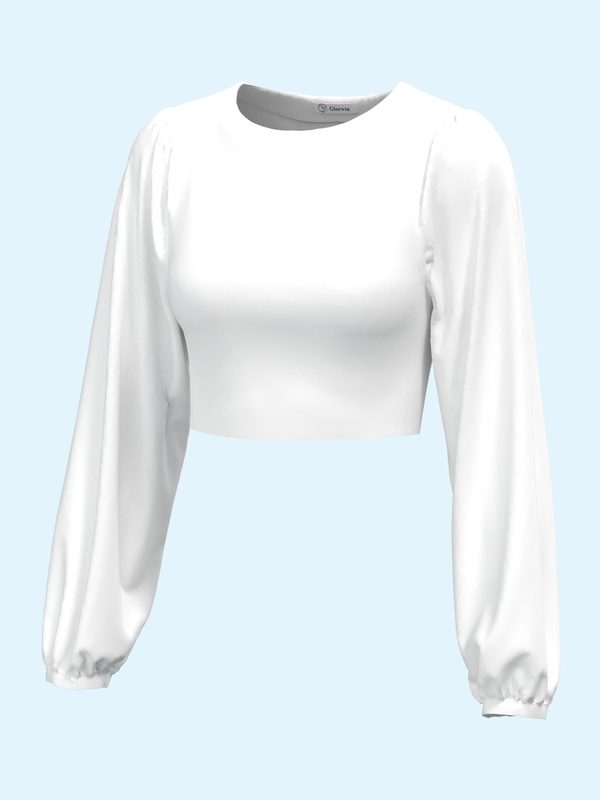
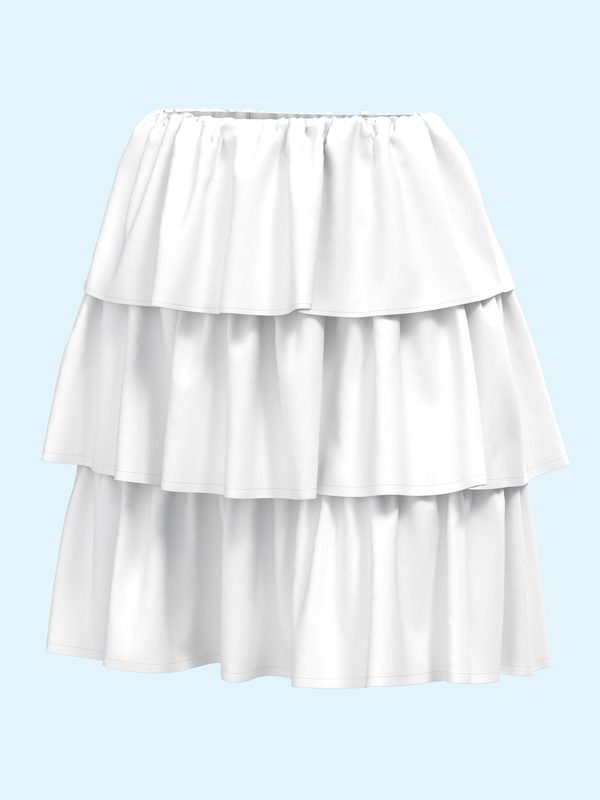
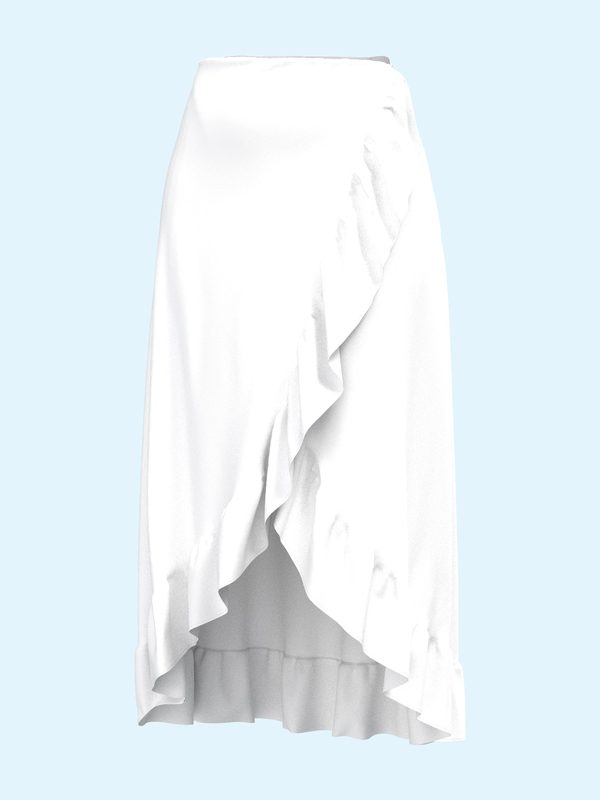
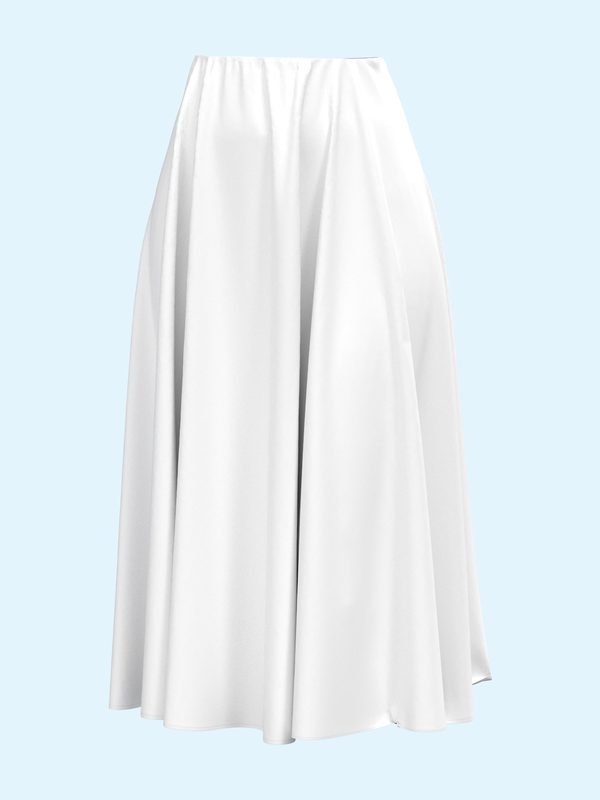
On glorvia.com, Design Your Dress lets customers pick one of 70 tops and 59 skirts (4,130 combinations) and a fabric. We then make the dress in our atelier.
Tops
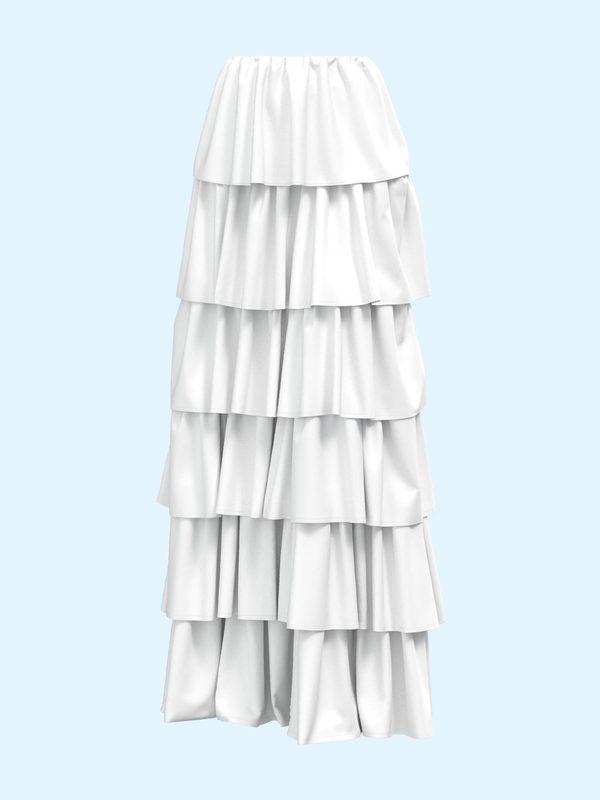
Skirts
Why we build from sewing patterns
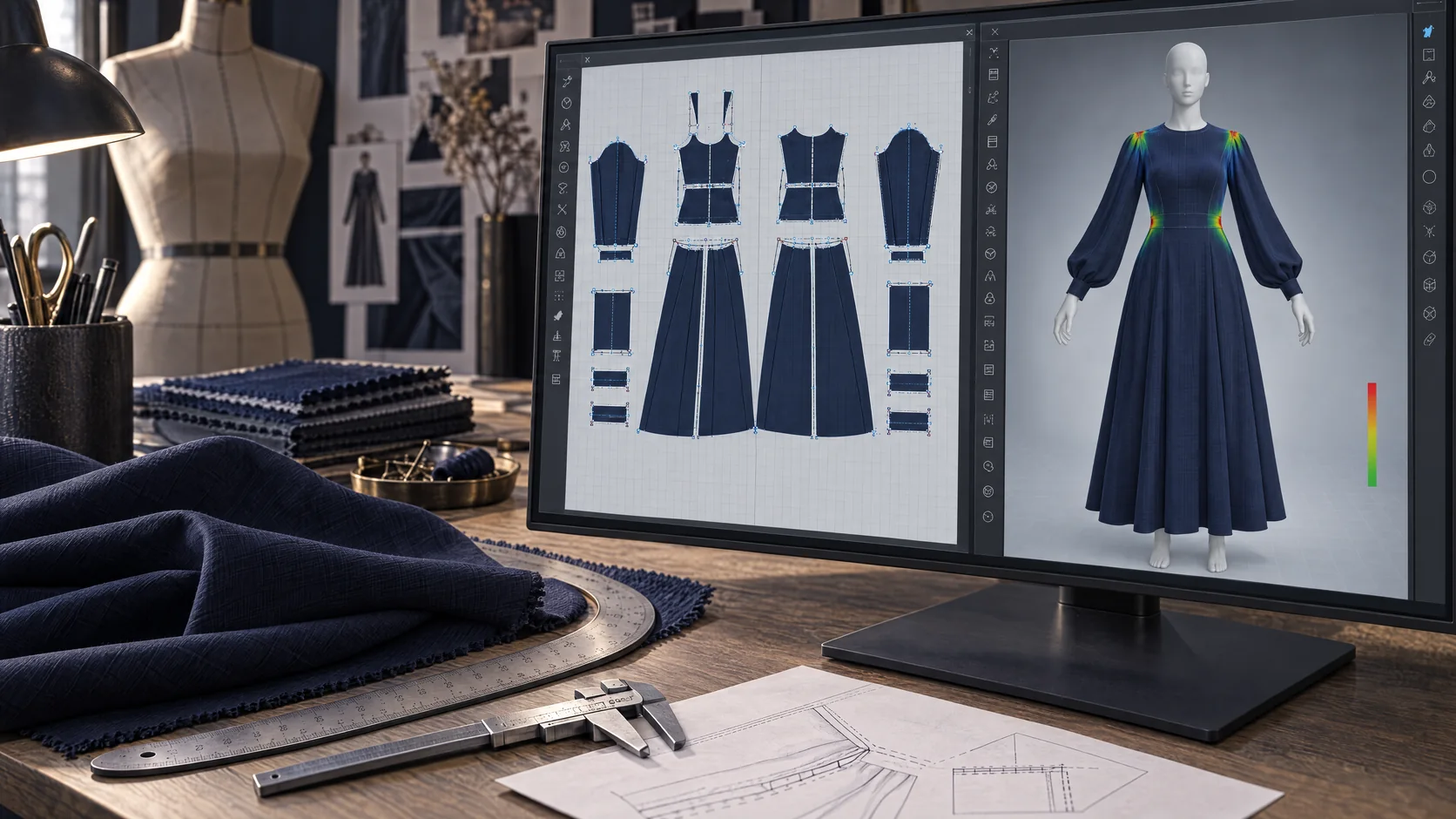
Parts that fit like the real garment
Each collar, cuff or sleeve comes from its own pattern piece in CLO 3D. Seams meet where they would on the sewn garment, so parts swap cleanly.
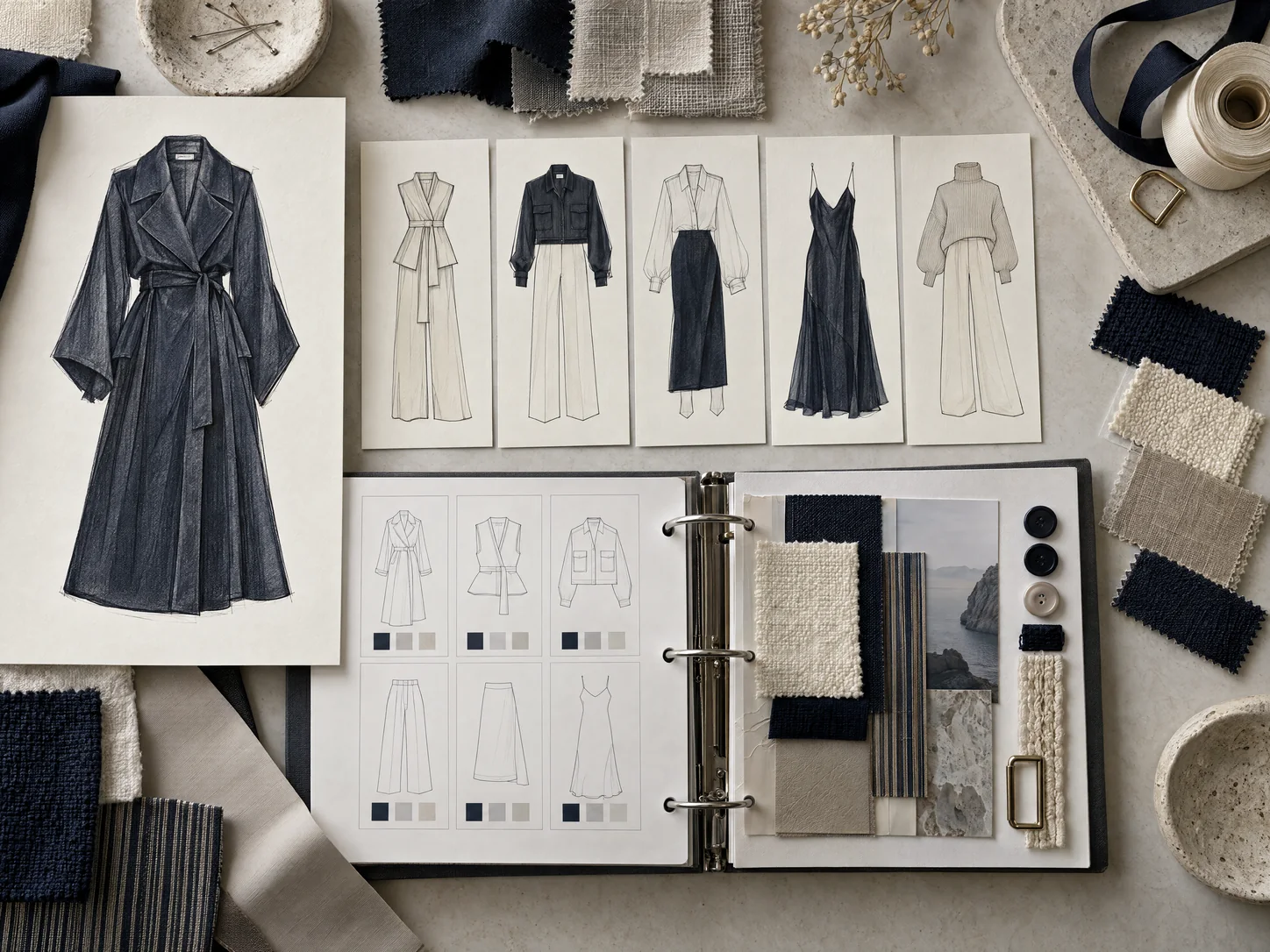
Fabrics at true scale
Textures are mapped in centimetres. A 4 cm stripe stays 4 cm on the collar, the cuff and the body.
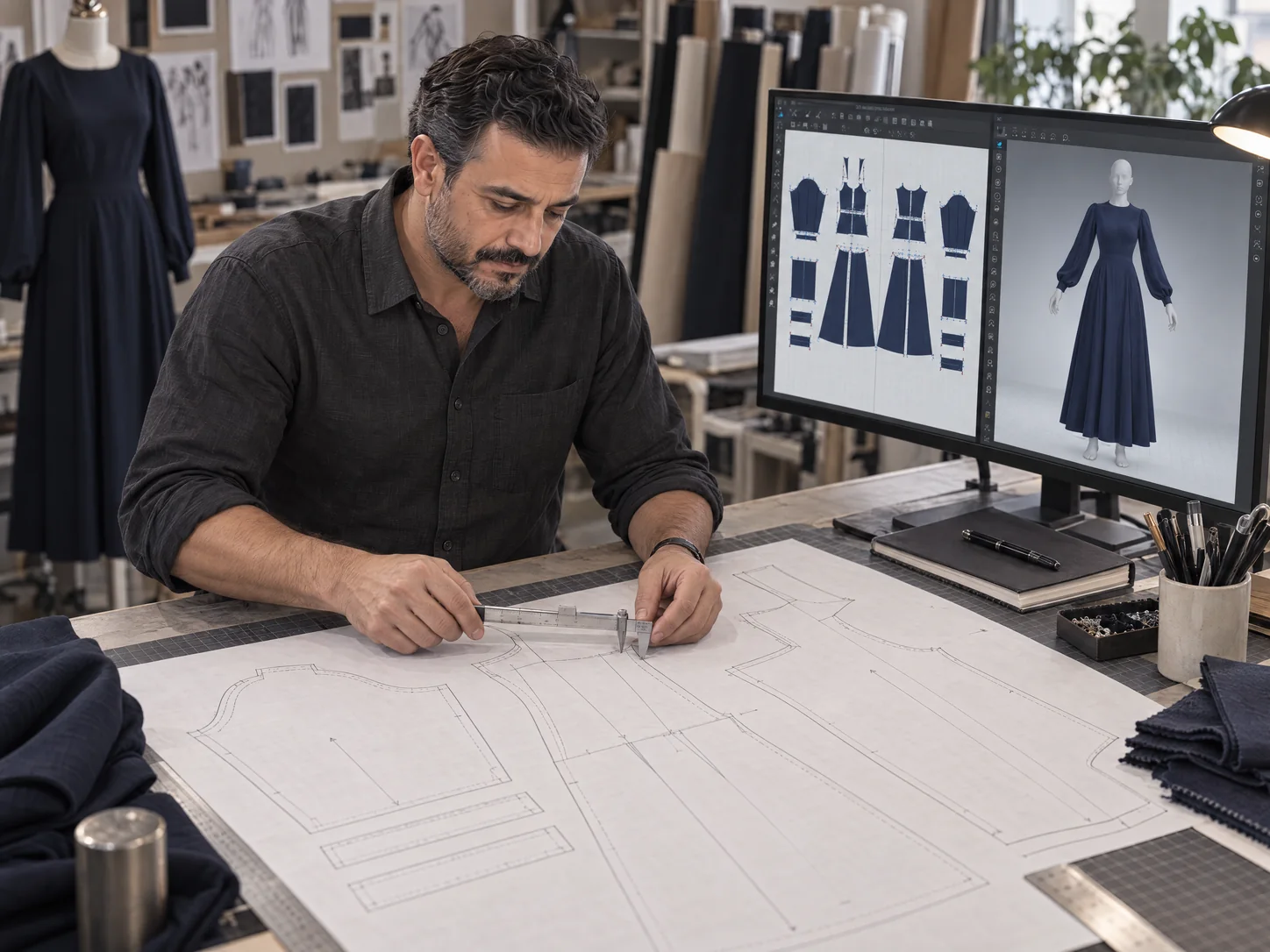
The files work beyond the configurator
The same files can serve your product images. If you need them, we can also make patterns and samples in our atelier, quoted separately.
Need a configurator for a product that isn't clothing? See our 3D product configurator service.
What your customers can change
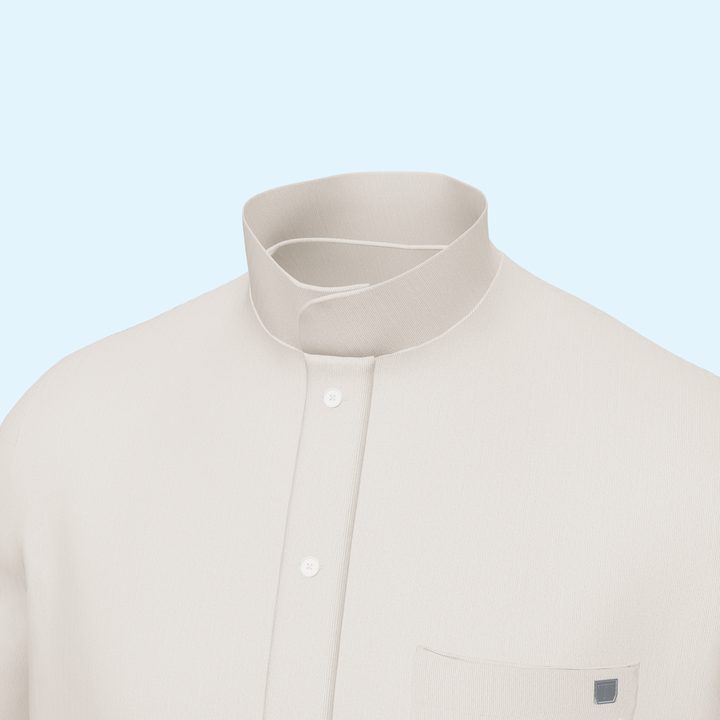
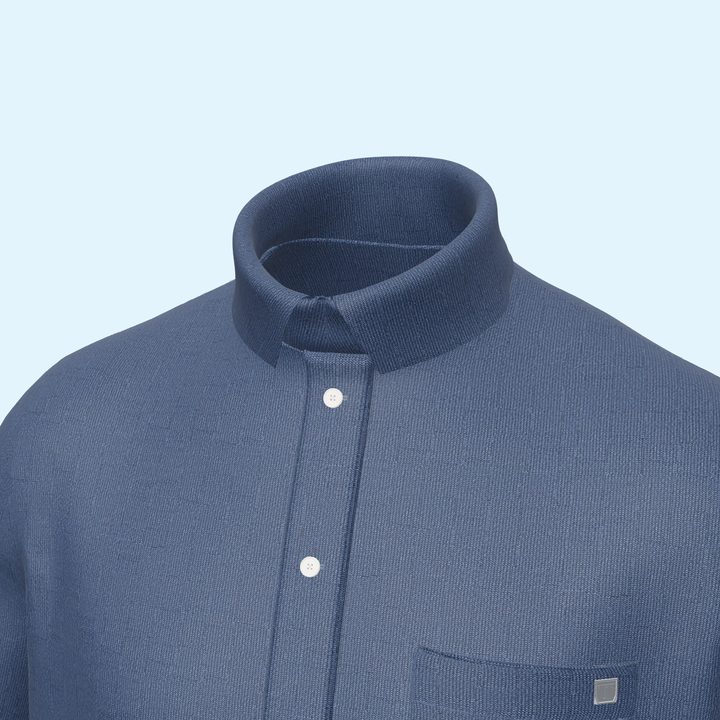
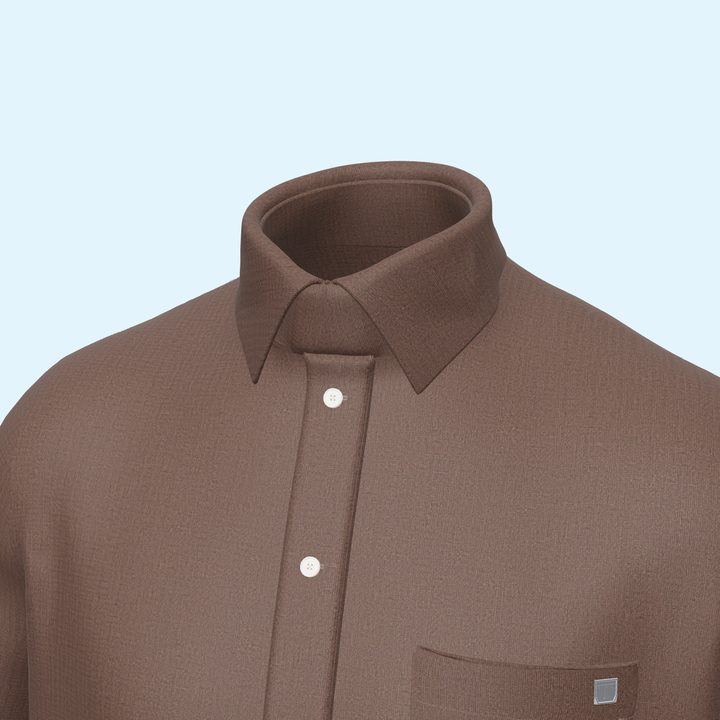
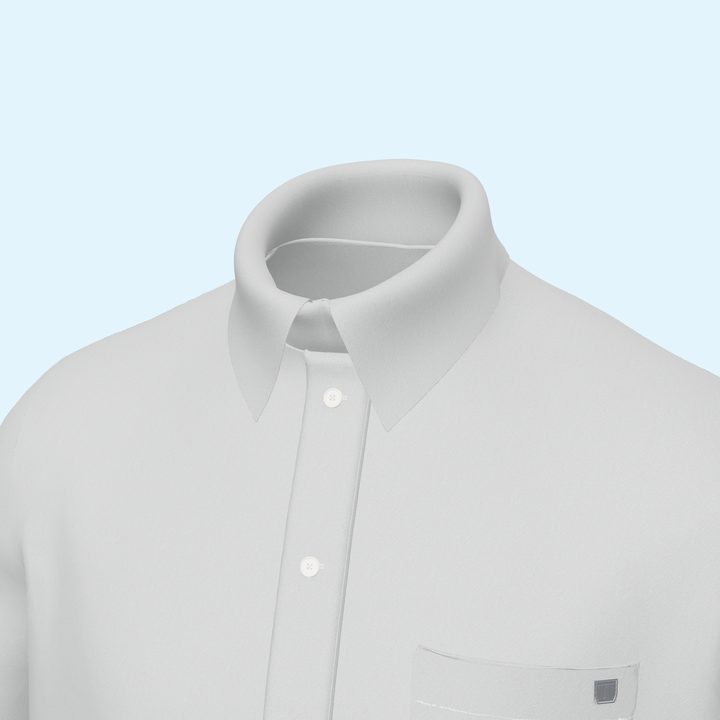
Colours on screen depend on each shopper's display. For final colour decisions we recommend physical swatches.
What you get
Custom-built or a subscription platform?
| Custom-built by Glorvia | Typical subscription platform | |
|---|---|---|
| Cost | One-off project, quoted for your scope | Monthly or yearly fee |
| 3D garments | Built from your patterns in CLO 3D | From models you provide or the platform's modelling service |
| Files and code | Delivered to you as agreed in the quote | Hosted on the platform |
| Look | Designed to match your store | The platform's interface with styling options |
| Getting started | Depends on how many parts and fabrics | Quick if your 3D models are ready |
| Good fit for | A defined range of swappable garment parts | Self-service setup across many products |
How we work
- 01Map your options
You send sketches, tech packs, patterns or 3D files and your list of parts and fabrics. We agree which parts combine with which.
- 02Build the 3D garments
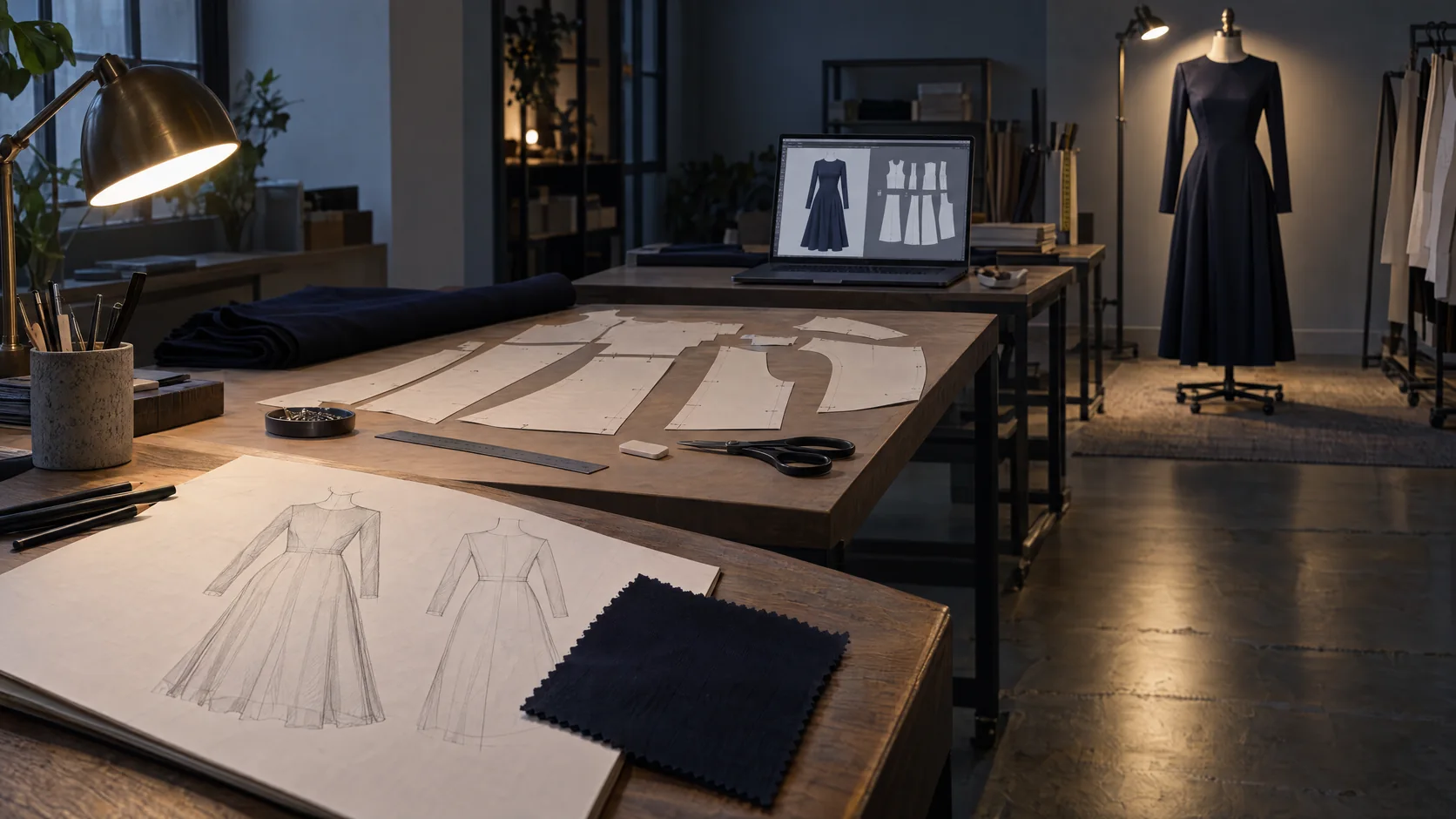
By default we build the parts in CLO 3D from your patterns, set the fabrics to real scale and compress everything for the web. You review a first garment before we build the rest.
- 03Build the viewer
Option menus in your brand style. The connection to your cart is included if it is in your scope.
- 04Test and hand over
We test on the phones and browsers we agree with you. Then we hand over the files, code and instructions, or install it with your web team.
The technology, in plain words
What sets the price
The number of garments and swappable parts, the number of fabrics, whether we build the 3D garments or start from your files, the interface design, cart integration and languages. We quote once we have seen your option list. Starting with one garment is a good way to judge the result before adding the rest.
Send your option list on WhatsAppWorking with us

We work with brands remotely from our atelier in Gaziantep, Türkiye, by WhatsApp, email and video call.
Address: Emek Mah., Ali Nadi Ünler Blv. No: 120/D, 27060 Şehitkamil / Gaziantep.
What to send first: your list of swappable parts, fabric or swatch references, sketches or 3D files, your store platform, and any configurator you like as a reference.
Frequently asked questions
An interactive 3D view of a garment on your website where customers change parts, fabrics and details and see the result straight away, before they order. It is also called an apparel configurator or a 3D product customizer.
No. It is a one-off development project. You receive the 3D files and viewer code agreed in the quote, with no monthly licence.
Your list of swappable parts and fabrics, plus whatever you have for the garment: sketches, tech packs, sewing patterns or 3D files.
No. We can build the 3D garments in CLO 3D from your sketches, tech packs or patterns. If you already have CLO 3D files or DXF patterns, we start from those.
It depends on the number of garments, parts and fabrics, who makes the 3D garments, the interface and cart integration. We quote after seeing your option list.
It depends on the same factors. We set the schedule in the quote, and you review a first garment before the rest is built.
Yes, in mobile and desktop browsers without an app. We test on the devices we agree with you; speed also depends on the shopper's phone and connection.
Yes. We set in the quote how the chosen options reach your cart: as product variants, as order notes, or through your developer.
Yes. The parts are built as separate pieces, so new ones can be added in a later phase.
No. The customer-facing viewer is visual. Its parts are built from patterns, and production patterns, grading and samples are separate services.
Optionally, project by project. Our atelier makes patterns, samples and small-batch production when it fits your garments.
Yes. We plan and review remotely by WhatsApp, email and video call.
Plan a 3D configurator for your store
Send us your garment and the parts you want customers to change. We will come back with how we would build it and what it takes.