Fitting day at our atelier: what changes from measuring to delivery
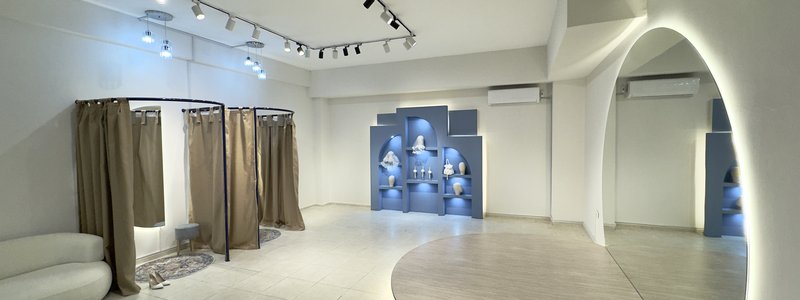
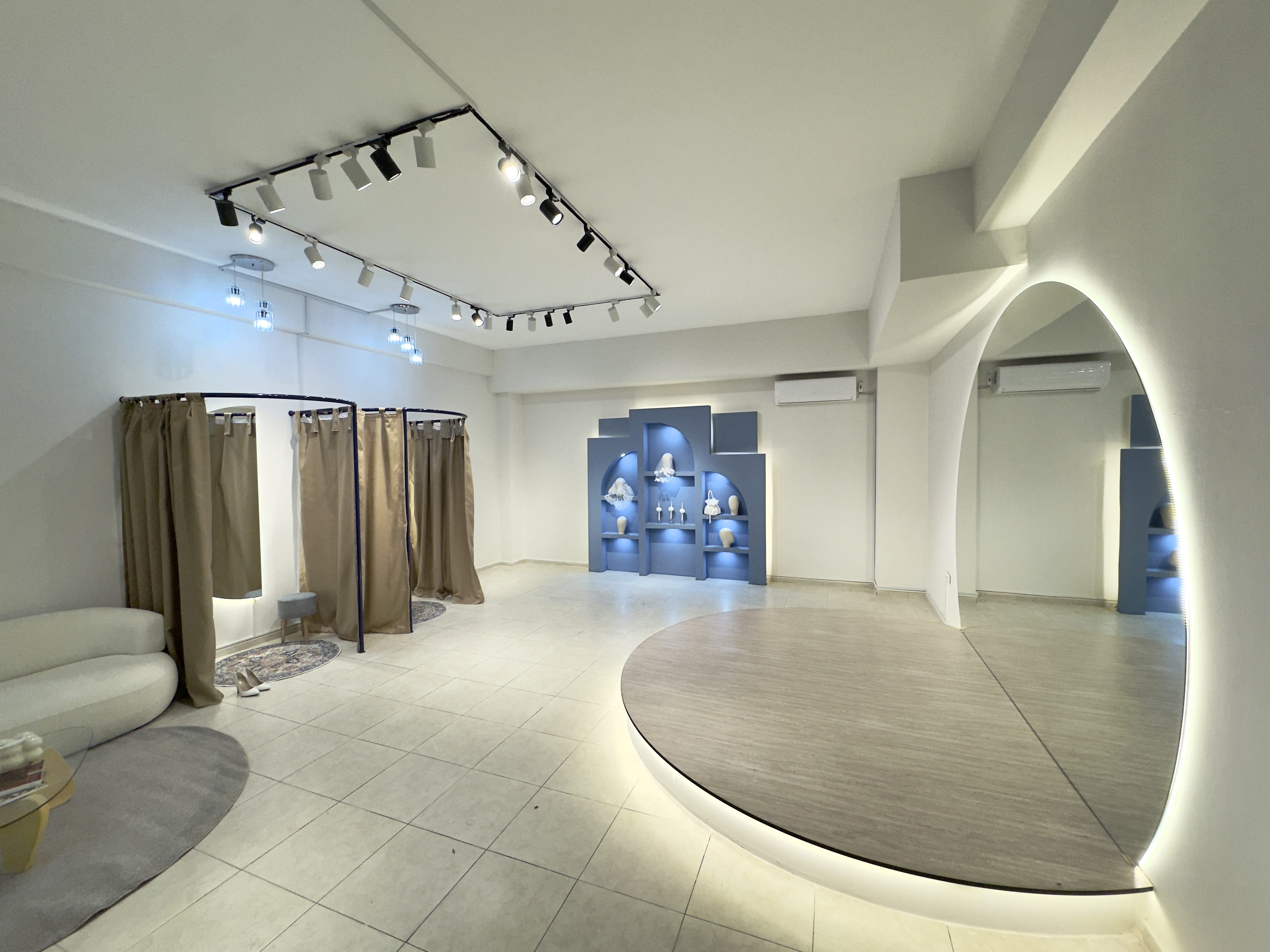
Our measurement guide shows you how to hold the tape. This post covers what changes at the fitting: which measurements matter most on which style, where people most often go wrong at home, and what we correct most at the atelier. The observations come from notes on about 50 fittings at our Gaziantep atelier. They’re our own fittings, not industry data.
Which measurement matters most on which style?
Not every wedding dress needs the same measurements with the same precision. Here’s how it works across our styles:
| Style type | Example styles | Critical measurement | Why |
|---|---|---|---|
| Boned corset bodice | Gemma, Gloire, Diana, Guinevere, Gracieuse | Bust and waist (with underbust) | A corset holds the body closely; a small difference moves the cup placement and the waistline |
| Lace-sleeved styles | Dora, Vianna, Gabbiana | Shoulder width, sleeve length, upper arm | How the sleeve and neckline sit depends on the sleeve pattern; even with the right bust, the sleeve can feel tight |
| Skirt with a slit | Diana, Grazia, Gustosa | Slit length, shoulder-to-floor length | The slit height is set against your height |
| Modest wedding dress | Glamoure Modest | Height, shoulder, bust, waist | In a covered style, sleeve and length allowances work together |
| All styles | — | Shoulder-to-floor length, in your wedding shoes | The hem and the way the train falls are cut for your heel height |
That’s why our measurement form asks for shoulder-to-floor, upper arm, sleeve length and skirt length as well as bust, waist and hips.
Where measurements go wrong at home
In our notes, the measurement that most often comes in wrong is the upper arm. It gets measured too low rather than at the widest point, or with the tape pulled tight. If the upper arm is too narrow, movement in a lace sleeve is restricted and there’s limited room to let it out. So we measure it with your arm relaxed and the tape snug, not tight, and we check it again at the fitting.
The second most common mistake is length. A shoulder-to-floor measurement taken without your wedding shoes comes up about 10 cm short on average. The hem is cut to this measurement, so measure with your shoes on. If you don’t know your heel yet, measure with the highest heel you’re considering; it’s easier to shorten than to lengthen.
What do we correct most at fittings?
The most common adjustment in our notes is taking a dress in, but often not because a measurement was wrong. It’s because the bride asked for it “as tight as possible.” We don’t say yes to that: a wedding dress should fit so you can sit, breathe and dance. In corset styles, the feeling of “snug” comes from the boning placement and how the cups sit, not from taking in the waist. In corset styles, fit problems show up most around the bust, so we ask for the bust and underbust measurements separately and reposition the cups at the fitting.
How does fitting day go?
- Measurement approval: we go through the measurements on your form together; if one looks doubtful, we retake it on a video call.
- Sewing: 15–20 business days after your measurements are approved. Shipping time is added when the dress is sent to you.
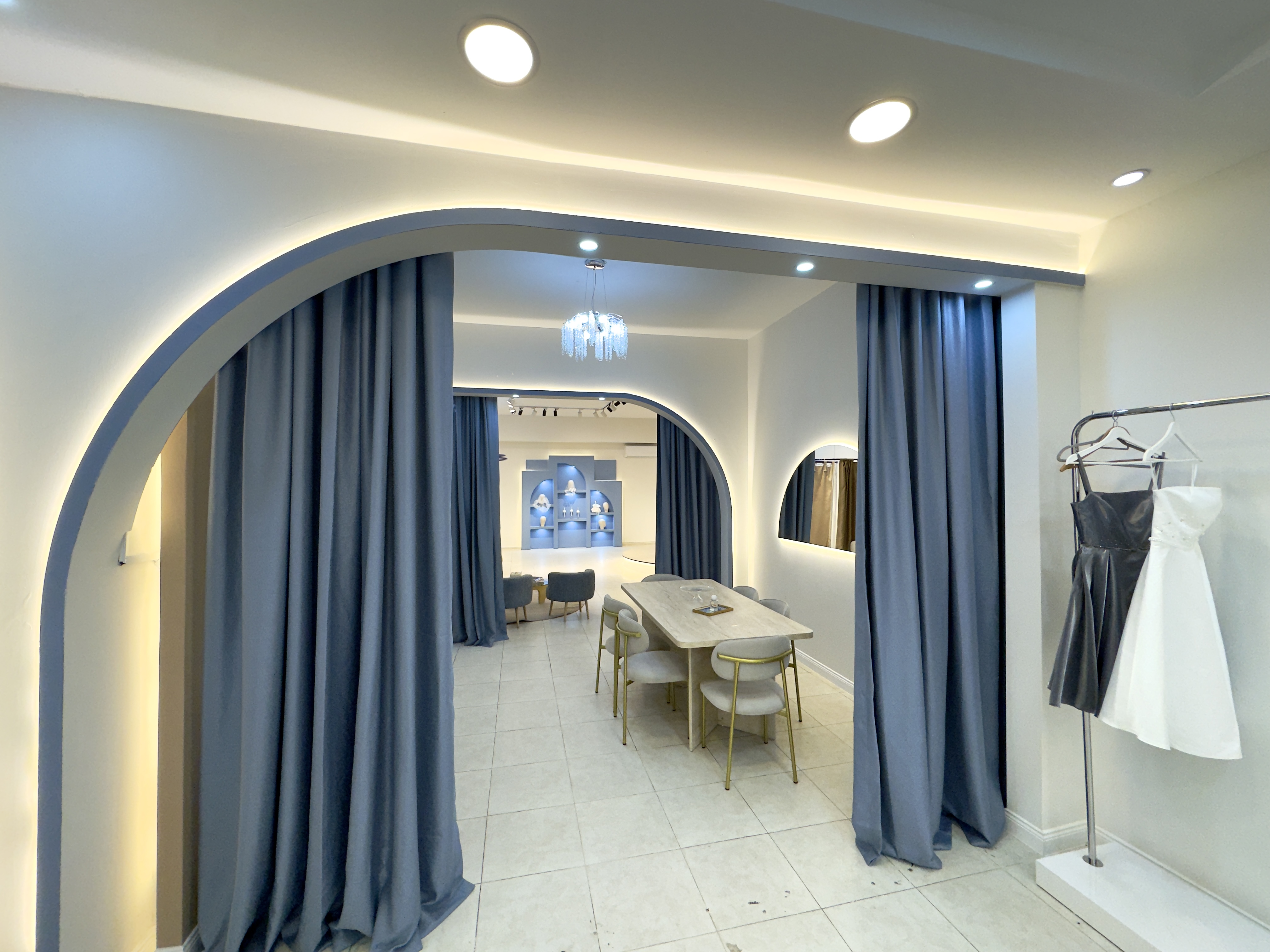
- Fitting: in our Gaziantep atelier, or at home once the dress is shipped to you. We check the fit, sleeves, length and cup placement, and note any correction needed.
- Alterations: if the dress still needs adjusting after delivery, we agree the changes with you. The terms are on our shipping, returns and alterations page.
Before you come to your fitting, look at our fitting preparation checklist; before you measure, open the measurement guide. To book a fitting at the atelier or a remote session, use our appointment form.