Colored wedding dresses: black, pink and pastel
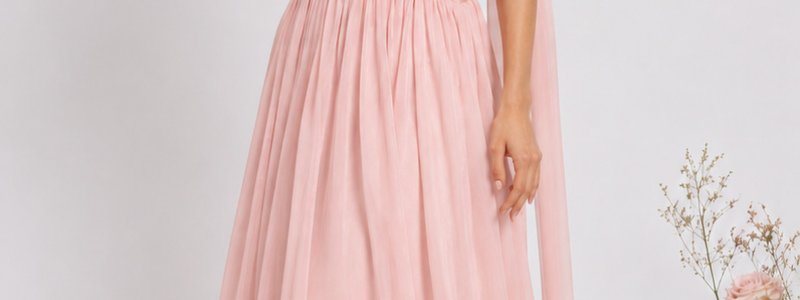
A wedding dress doesn’t have to be white. Black, blush pink, dusty rose, champagne, blue or a two-tone design can be a strong way to bring your own style to the ceremony. Rich embroidery in red and burgundy is also a classic for the henna night, the traditional pre-wedding gathering; see our henna night dresses. Choosing a color isn’t only a question of “bold or classic.” Fabric texture, lining, venue light, photos and accessories can make the same color look very different.
Rather than trusting an image on a screen, judge the color on a real fabric, next to your skin and in light like your wedding’s.
Decide what role color plays in the design
Color can be used in three different ways:
- Main color: the whole dress is black, pink or another shade.
- Second layer: white lace or tulle over a colored lining.
- Accent: color appears in a belt, bow, flower, embroidery, gloves or a removable piece.
A main color has the strongest effect. A colored lining looks soft from a distance and layered up close. An accent keeps the language of a white wedding dress and adds a personal mark. Being clear about which role you want keeps the color use from feeling scattered.
How to balance a black wedding dress
Black can give a sharp, architectural silhouette. With lace and tulle it can read as romantic, and in satin as simpler or more dramatic. But on dark fabric, seam lines and textures aren’t as easy to see as on white. Fabric shine, a difference between layers and your lighting plan all help keep the design from turning into one dark block in photos.
Instead of full black, you could also consider:
- A black bodice with a light-colored skirt
- A black bow or embroidery on a white base
- Lighter lining under black tulle
- A light dress for the ceremony and a black second dress for the celebration
The meaning of black can differ between families. It’s a personal decision, but think ahead about whether you want it to be a surprise when you share your wedding plans. Dark Halloween looks such as a gothic bride, a vampire bride or a witch are on our custom Halloween costumes page.
Look at the undertone in pink and pastel shades
“Pink” isn’t one color. Cool blush, warm peach, dusty rose and lilac-toned pinks behave differently on skin and in light. The shine of the fabric changes the tone too: matte tulle can look softer, glossy satin more intense. Blush, dusty rose and champagne are popular palettes not only for an unconventional wedding dress but also for an elegant engagement party or hall ceremony; see our custom engagement dresses.
Look at your fabric sample:
- In daylight
- In light like the warm lighting of your venue
- With a phone flash
- If you can, in conditions close to your photographer’s light
A screen filter or the white balance in a product photo can change the real color.
Champagne and off-white are color decisions too
Even if you want to stay in the classic white family, pure white, off-white, ivory and champagne don’t look the same. When the tone of the lace and the lining differ, the motifs can stand out more. Choose a shade for the harmony it makes with the fabric and with your skin, not because it’s “more bridal.”
Trying to match your headscarf, veil, shirt or your partner’s accessories to exactly the same tone can sometimes create small but visible mismatches. A deliberate difference in tone can look cleaner than an accidental near match.
How color and cut affect each other
On dark or low-contrast surfaces, some seams and textures may be less visible in photos; the result depends on the shine of the fabric and the light. A drape you love in a white sample may not read the same in black. In the same way, three-dimensional flowers can look soft on a pastel fabric and more graphic at high contrast.
Try to see the color on a wider surface, not only a small sample. Over a big area like the skirt, color can look more intense.
Choose the accessory and flower palette together with the dress
Metal tones, pearls, stones and flowers should be chosen together with the undertone of the dress. On a black dress you don’t have to choose every accessory to be dramatic; a single point of light may be enough. On a pink dress, flowers in the same pink can blur the edges of the look, while a difference in tone or some green texture can create balance.
If you’re thinking about colored shoes or a bag, take the hem length of the dress and how much of the shoes will show into account.
A color plan for the ceremony and the after-party
If you want two looks from one dress, a removable colored sleeve, overskirt, bow or cape may work, depending on the style. If you’re thinking of two separate outfits, separate your civil ceremony and after-party options by function: the presence you want during the formal part, and the freedom of movement and shoe change you want at the celebration. For colorful or sparkling designs for an after-party, a civil ceremony dinner or an engagement event, ask us about the options. Rental isn’t standard for every dress or every country, so ask us what is possible for the dress you like and where you live.
To build your own color combination, you can explore designing a wedding dress or custom-made evening dresses, and check fabric availability, whether it can be made and the timing for your specific design with us.
Don’t choose a color from a single photo
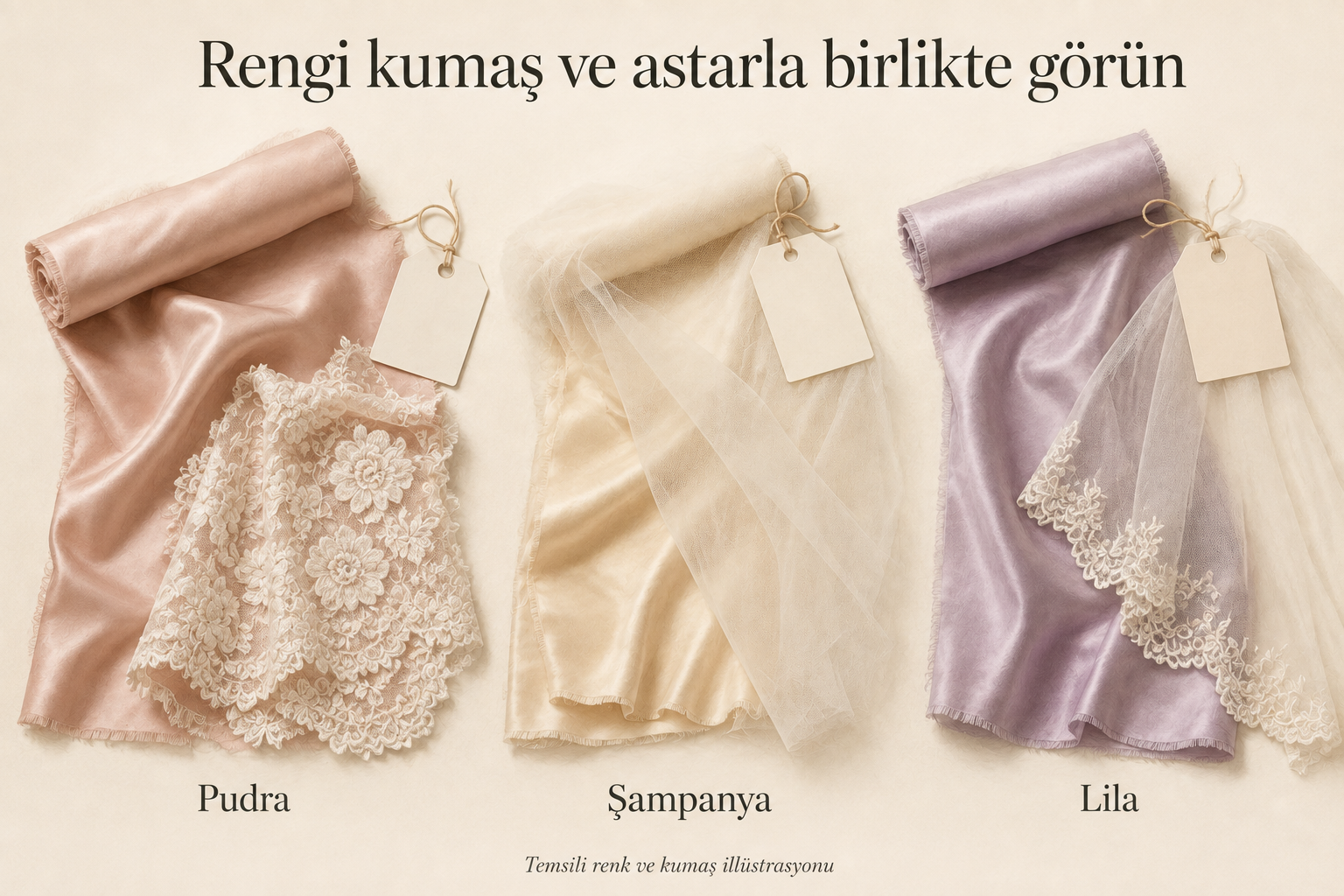
When you compare a color, note the sample, the lining and the light. Seeing the same outer fabric over a different lining or in a different light answers separate questions. Changing them all in one comparison makes it unclear which one affected the result.
| Check | Keep constant | Write down what you see |
|---|---|---|
| Two color candidates | Light and lining | Which tone and contrast do I prefer? |
| Two lining candidates | Outer fabric and light | How do the lace pattern and the color look? |
| Different lights | Fabric and lining | How do the tone and seams read? |
| Accessory harmony | The dress sample | Does the difference in tone look deliberate and pleasing? |
If you use photos, turn off filters and, if you can, put the two samples in the same frame. A phone’s automatic color setting can still change the result, so don’t treat the image as a replacement for the real sample. When you order, note the confirmed sample or product code next to the color name.
- Don’t treat a name like “blush” or “champagne” as a full description on its own.
- Look at the lace and the lining together.
- If you can, see your veil and headscarf side by side in the same light.
Complete your color decision with a Glorvia fabric swatch kit
You don’t have to pick your wedding dress from a single photo on a screen. The fabric swatch kit option offered with Gloire, Belissa and Nova helps you decide with the candidate fabric in your hands.
Tell us the color and the style you have in mind together, and check which fabrics and colors the swatch kit covers. If you can come to Gaziantep, you can book a fitting appointment at our atelier to compare swatches against your skin tone in daylight and talk colored options through with our design team. Ordering from abroad? Write to us about the color you have in mind and we can talk it through. Having a swatch kit option doesn’t mean these styles are available in every color.
Frequently asked questions
Can you wear a black wedding dress to a wedding?
Yes. Color is a personal, cultural and aesthetic choice. Testing the fabric texture and the photo lighting beforehand protects the details of a black design.
Does a white veil work with a pink wedding dress?
It can. A sharp contrast can appear between pure white and a warm pink, so compare them in daylight using the same fabric samples. What matters is that the difference in tone looks deliberate.
Can a colored wedding dress be changed to white later?
The color usually belongs to the fabric or the lining itself, so a simple alteration may not change it. Removable colored pieces can be a more flexible alternative. Ask whether it’s possible for the specific style.